 Food Hygiene

 Free CPD Certificate on Completion

 Fire Safety
No products in the basket.


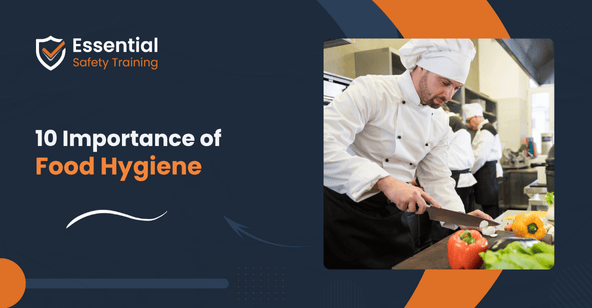
Thousands of incidents are recorded every year due to poor food hygiene in the UK. So, knowing the importance of proper food hygiene to stay healthy is crucial. In this blog post, you’ll discover the 10 importance of food hygiene in detail.
The most common importance of food hygiene includes preventing foodborne diseases, reducing food waste, meeting the regulations, avoiding cross-contamination, and protecting vulnerable people. It is important for all types of food hygiene settings.
Ahead, you will explore food hygiene more elaborately and get answers to the most common food hygiene questions to get a clear understanding. Let’s move further.
What is food hygiene?
The World Health Organisation (WHO) records that foodborne diseases affect millions of people annually in the UK. This is alarming, and that’s why everyone should be aware of the importance of food hygiene to stay safe and healthy. So, what is the meaning of food hygiene?
Food hygiene is the practice and conditions to ensure food is safe for consumption. It ensures that food products are clean, properly handled, and safe for people to eat.
The main principle of food hygiene is to prevent foodborne illness and minimise the health risks. If you are working in the food business or deal with food regularly, you need to know about the importance of food hygiene.

Why is food hygiene important?
Food hygiene is all about protecting people from foodborne illness. Poor food hygiene can lead to serious health risks and damage the reputation of the restaurant.
Food hygiene is the backbone of every food business. That’s why everyone should know why food hygiene is important. Food hygiene ensure safe food handling, proper cleaning, and contamination control to protect the consumers and the food businesses.
Everyone usually expects to have safe food. That’s why food hygiene matters more than we often think.
Food Hygiene and Safety Training Level 3
Learn essential food hygiene and safety practices and understand legal food safety requirements under UK law.
Enrol Now
The 10 importance of food hygiene
Food hygiene is very important for any kind of food setting. Here is the detailed information on the importance of food hygiene:
1. Prevention and control of foodborne diseases
Insights Foodborne Diseases
According to the Food Standards Agency, Foodborne illness causes approximately 2.4 million cases annually in the UK. The leading cause of foodborne diseases is common pathogens, such as Salmonella, Norovirus, E. coli, and many others. These pathogens lead to many health issues and even death.
Contamination often occurs due to improper food handling or preparation. It may also occur when food handlers do not store food properly. Understanding these methods helps in implementing effective preventive measures in food handling, business, or the kitchen.
Impact on the real world
In the UK, foodborne illness outbreaks pose many significant public health concerns and financial losses for food businesses. Such incidents can create trust issues for many food businesses and may also lead to legal actions.
Preventive Measures
- Clean: Wash hands and clean the cooking environment often.
- Separate: Store the cooked food and raw food separately.
- Cook: Cook to proper temperatures to kill harmful bacteria.
- Chill: Refrigerate properly to store food.
2. Reducing food waste
Understand food waste
In the UK, food waste is now a serious issue. Guardians of Grub, WRAP’s food waste reduction campaign, found out that food businesses waste 3.2 billion pounds every year.
Food businesses generate almost half of the food waste (45%), which comes from food preparation, a third (34%) from consumer plates, and a fifth (21%) from spoilage (damaged or out-of-date food).
Implementing good food hygiene practices ensures that food remains safe and consumable for longer periods. This will not only reduce food waste but also promote environmental sustainability.
Impact on the Real World
The food business faces a significant loss due to food waste and spoilage. This damages our environment and also affects our profitability. Reducing waste through proper hygiene is beneficial for the environment and also for the business.
Preventive Measures
- Plan meals and menus in advance to avoid purchasing extra ingredients.
- Store food with a label and date for further use.
- Monitor food waste to improve waste management.
- Use leftovers to reduce food wastage.
3. Meeting UK food hygiene regulations
Legal consequences of food hygiene regulation
The Food Safety and Hygiene Act 1990 requires food businesses to maintain hygiene standards. Failure to do so can result in a fine, closure of the business, or legal action.
UK laws are mandatory to follow the food hygiene standards to be followed. Understanding the regulations helps the food industry implement the essential laws successfully. This helps to create a safer and hygienic food setup.
Impact on the real world
Without proper hygiene, many businesses were shut down or received huge fines. This damaged the reputation of the food industry. Meeting UK food hygiene regulations ensures smooth operations and builds trust.
Preventive Measures
- Engaging in a food hygiene training programme to ensure safety.
- Maintain a detailed record of hygiene to serve as evidence.
- Regularly reviewing and updating hygiene protocols in line with UK regulations.
4. Ensure hygiene in the food business
Importance of hygiene in food industry
Every food setting must ensure hygiene. Consumers always look for hygiene-conscious food businesses. Hygiene ensures the safety and health of the food products for consumers.
Moreover, hygiene in food businesses boosts employee morale and productivity and also gains the trust of consumers.
Impact on the real world
A clean kitchen is crucial for the success of any food business. Food businesses that prioritise hygiene quickly increase their fame.
If any food business does not follow food hygiene standards, it often receives negative reviews and decreases customer trust. This eventually leads to the business’s closure.
Preventive Measures
- Implement regular cleaning schedules
- Provide clean aprons and hairnets daily to maintain hygiene
- Check regular reviews and feedback, and implement the feedback.

5. Control the spread of harmful bacteria
How does the spread of harmful bacteria in food
In the UK, Salmonella and E. coli are the main causes of food contamination. Listeria also grows in fridge temperatures. These pathogens pose serious health risks to consumers.
Most bacteria that spread occur during cross-contamination of food or improper food handling. Ensuring food safety and hygiene is crucial to preventing these issues.
Impact on the real world
Outbreaks of foodborne illnesses have led to hospitalisation and even death. Such incidents damage the consumers’ trust, leading to a considerable fine or closure of the business.
Failing to control the spread of harmful bacteria plays a huge role in the economic sector. Maintaining strict food hygiene standards is not just a moral obligation but a moral one to protect public health.
Preventive Measures
- Implement the 4 C’s. They are cleaning, cooking, chilling and cross-contamination.
- Utilise the food containers and colour code them for raw and cooked food.
- Regular checks and kitchen audits are necessary to identify and rectify the issues.
- Create handwashing stations where staff should wash their hands.
6. Improve the shelf life of food
How to improve the shelf life of food?
Storing food is a crucial step in maintaining hygiene in a food setting. Most UK food businesses get it wrong. Proper refrigeration and packing can increase the shelf life of foods.
The FSA guidelines state that the fridge should be at 5°C or below. Vacuum sealing and preservatives can also increase food’s shelf life.
Impact on the real world
Extended shelf life reduces food waste, leading to cost savings for food businesses. This ensures the safety of food consumers.
Improper food storage leads to spoilage and also becomes a source for bacteria. Eventually, this spreads, and all the food is affected. This is risky for consumers and also results in a loss for the food business.
Preventive Measures
- Regularly check the expiration date and storage conditions.
- Monitor humidity by using silica gel packs in dry storage.
- Utilise the technology for temperature monitoring and inventory management for efficiency.
7. Avoiding cross-contamination
How to prevent cross-contamination
Cross-contamination occurs when raw and cooked foods come into contact with each other. This usually happens when improper food handling practices are used.
Separate cutting boards and utensils for raw and cooked food can prevent contamination. Also, a clean surface prevents the spread of bacteria.
Impact on the real world
Cross-contamination can lead to severe foodborne illness in the UK. These incidents can significantly impact public health and harm a business’s reputation. Consumers’ trust depends on the hygiene standard in the food business.
Preventive Measures
- Implement proper training sessions for cross-contamination prevention.
- Keep a separate place for allergen-free preparation.
- Utilise the checklist and monitoring tools
8. Prevent insects and pests from food areas
Why pests and insects are a hygiene threat
Ensuring food safety and hygiene is crucial for protecting consumers from foodborne diseases. Proper handling and storage of food are essential practices.
If a kitchen is infested with insects, pests, or other animals, it poses a great risk to food settings. Rats carry Leptospirosis, and cockroaches spread Salmonella. Also, pests love crumbling and staying in moist places.
Impact on the real world
Neglecting food hygiene can lead to a kitchen infested with insects and pests, posing health risks and harming consumers. Eventually, this can damage the business’s reputation and shut it down.
Preventive Measures
- Implementing strict protocols in food preparation areas to minimise risks.
- Install technologies like UV fly killers to prevent infestation
- Do monthly pest control to have a safe environment.

9. Keep consumers safe
How to keep food hygiene for consumers?
Food safety and hygiene are essential to protecting customers from foodborne diseases. Proper handling, cooking, and storage of food are essential practices. Implement strict protocols in food preparation areas to minimise risk and keep consumers safe.
Impact on the real world
Many restaurants in the UK are closed because they neglect food hygiene. This causes damage to reputation and also a loss of consumer trust.
Maintaining good hygiene is not just an ethical but also a legal requirement. A positive experience with a safe, clean kitchen has gained good reviews, which helps to grow the business.
Preventive Measures
- Make a list of all the ingredients to avoid allergens.
- Training people to use an EpiPen for any kind of emergency
- Gather the feedback and implement it.
- Improve the hygiene practice continuously.
10. Food hygiene standards
What are the food hygiene standards?
Food hygiene standards are set to ensure that food businesses can operate safely and protect public health. Compliance with these standards covers all food preparation, handling, and storing aspects.
The rating scale of the food hygiene
The Food Hygiene Rating Scheme (FHRS) established a rating system in which food is rated on a scale during inspection.
The food business will get a rating from 5 to 0:
- 0 – Urgent improvement is necessary
- 1 – A significant improvement is necessary
- 2 – Some improvement is necessary
- 3 – Hygiene standards are generally satisfactory
- 4 – Hygiene standards are good
- 5 – Hygiene standards are excellent
Preventive Measures
- Let customers see your kitchen via glass walls to provide the hygiene validation
- Store the food according to the Food Standards Agency’s standard,
- engage with the professionals to gain knowledge and implement hygiene setups.
What are the checklist for food hygiene?
The Food Standards Agency makes a checklist to implement food hygiene easily. This includes:
- Check that all the stored food is at the correct temperature
- Maintain hygiene to ensure the surface, equipment, and utensils are sanitised.
- Check that the cooked and raw food are stored separately.
- Dispose of the waste properly to prevent insect infestation.
- Maintain food hygiene for all the food handlers and keep a close observation.
Regularly reviewing this checklist helps maintain high food safety standards.
Food hygiene online training
There are many levels of online food safety and hygiene training. Essential Safety Training offers many food hygiene-relevant training courses to gain knowledge and skills.
The levels are:
- Level 1 food safety and hygiene: These courses cover basic food safety and hygiene knowledge.
- Level 2 food safety and hygiene: This course covers the intermediate training for those who prepare food and focus on food safety and hygiene.
- Level 3 food safety and hygiene: Advanced training for supervisors and managers for risk assessments.
Regular update training ensures that all the procedures are up to date and maintain the latest food hygiene policies.
Frequently Asked Questions
What are the benefits of good hygiene?
Implementing good food hygiene practices offers many benefits. These include preventing foodborne illness, protecting consumers’ health, and ensuring compliance with legal standards.
What can poor food hygiene lead to?
Poor hygiene can lead to many severe consequences, including foodborne illness, legal penalties, and damage to the business’s reputation. Poor practices can also lead to food poisoning, customer complaints, and, ultimately, the closure of the business.
How to maintain food hygiene?
Maintaining food hygiene involves many key practices. These include regular handwashing, proper food handling, correct food storage, and cleaning the surface and equipment.
Final thought
Now you will know that maintaining good food hygiene is very important for health, businesses, and communities. This includes reducing food waste and preventing food poisoning.
So take this as your reminder to prioritise good food hygiene, invest in professional food hygiene training, and follow best practices. These 10 importance of food hygiene will help you gain trust and prevent foodborne diseases.
Essential Safety Training

At Essential Safety Training, we deliver a blend of online courses on safety and compliance. As a top-notch award-winning platform in the UK, we value learners and keep our commitment by creating more accessible, expertly crafted courses.