 Food Hygiene

 Free CPD Certificate on Completion

 Fire Safety
No products in the basket.


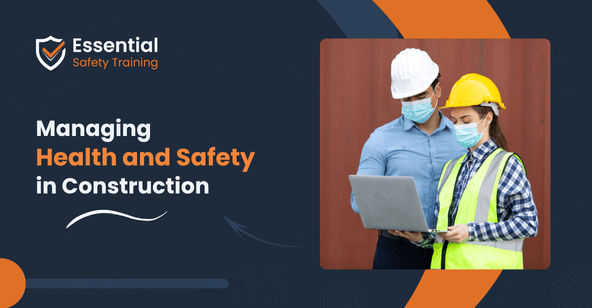
Employers bear the primary responsibility for managing health and safety on site. Along with them, the employees also play a crucial role in maintaining health and safety regulations at work.
A health and safety management system encompasses responsibilities for all individuals. It consists of employers, employees, designers, contractors, subcontractors, vendors, clients, and other contractors.
Employers, such as safety managers, have a large portion of the responsibility for ensuring health and safety in the workplace. They work towards improving their workers’ overall productivity and well-being in the workplace.
The employees also cooperate and coordinate with the employers to protect their own health and safety. They are responsible for protecting the health and safety of other contractors as well. It is a collective responsibility of all individuals involved in the workplace.
Before diving into the key topic “Who Is Responsible For Managing Health And Safety On Site?” It’s crucial to understand health and safety management in detail. Let’s dive in.
What Is Health and Safety Management?
A health and safety management system is a structured approach that deals with workplace hazards. It controls the associated risks to prevent work-related injuries, accidents, and illnesses. It plays a significant role in maintaining health and safety regulations at work. It reduces risks, supports a culture of safety, and improves overall productivity.
The management system largely integrates a set of policies, procedures, and plans on health and safety. It establishes and maintains healthy and safe working environments for everyone.
Why Is Health and Safety Management Important?
It goes without saying, of course, that all work is risky. This is to say that it is necessary to have at work an efficient, harmonised health and safety management system.
The main objective of any occupational health and safety management system is to minimise risks. Other objectives include preventing work injuries, accidents, and illnesses from ever occurring in the workplace. Studies have demonstrated that employees who enrol in health and safety standards tend to work more efficiently.
It is also part of your competitive edge to have a good health and safety performance. It is a brand seriously dedicated to sustainability and social responsibility. Because of this, it draws in more investors and business partnerships.
Some key objectives of a health and safety management system are:
- Reducing risks, workplace hazards, costs, workers’ expenses and compensation premiums
- Improves adherence to health and safety laws and regulations
- Encourages the workers to get more engaged and dedicated to their work
- Enhances the workers’ social responsibility objectives
- Improves productivity, company operations, and long-term prospects in a more effective way.
A better health and safety management system plays a pivotal role in every workplace. It boosts employee morale and reduces the likelihood of violations. It secures a healthy and safe environment for the workers. It also ensures the overall productivity and efficiency of the workplace.

Who Is Responsible for Managing Health and Safety on Site?
Maintaining a healthy and safe environment in the workplace is a significant part of every industry. The key responsibilities for managing health and safety mainly belong to the employers.
Employers such as owners, decision-makers, and supervisors are known as the ‘Main Contractors.’ They hold most of the responsibilities and have specific roles. They play a pivotal role in ensuring the health and safety regulations on-site.
The employees are often referred to as the ‘Subcontractors’ and perform duties in maintaining their own health and safety at work.
1. Health and Safety Responsibilities of Employers: Main Contractor
According to the Health and Safety Executive (HSE), it is an employer’s responsibility to protect the health, safety, and welfare of their employees as well as of those who are affected by their business.
Let’s take a look at some of the key responsibilities of an employer for managing health and safety on site!
- Identifying potential risks and workplace hazards
- Inspecting potential hazards and unsafe working conditions of the site
- Making lists of those who need occupational health and safety from these work-related hazards
- Conducting both generic and specific risk/hazard assessments
- Implementing effective and adaptable health and safety policies
- Ensuring the commitment of the employees to their social responsibility goals
- Providing health and safety training and first aid kits
- Implementing health and safety laws and regulations in the workplace
- Communicating with the employees and ensuring them a healthy and safe working environment.
2. Health and Safety Responsibilities of Employees: Subcontractors
The employees also share some health and safety responsibilities with their employers. The Health and Safety Executive (HSE) has stated that workers/employees have a duty to take care of their own health and safety. It is also their duty to protect those who are affected by their actions in the workplace.
Let’s take a look at some of the key responsibilities of employees in managing health and safety on site.
- Inspecting the potential hazards and reporting them to their supervisors or employers
- Reporting the unsafe working conditions and their possible risks to the employers
- Firmly committing to and adhering to the health and safety policies and regulations
- Attending health and safety training
- Staying proactive in their approach and maintaining good health and safety practices
Who Else Is Responsible for Managing Health and Safety on Site?
Employers play a critical role in managing health and safety at work. The regulatory bodies also have various responsibilities for securing health and safety on-site. They consist of principal designers, clients, safety managers, and other contractors associated with the workplace.
Some of their key responsibilities include,
- Coordinating with the main/principal contractor and cooperating with other subcontractors
- Coordinating health and safety practices during design aspects
- Assisting the client and providing necessary information
- Identifying and mitigating design health and safety risks
- Preparing the health and safety guidelines.
How To Implement Health And Safety Practices on Site: A Step-by-step Guide To Your Workplace Responsibilities
It is pivotal to perform health and safety duties at work in a systematic and effective way. The implementation of health and safety practices at work plays a significant role.
Here is a step-by-step guide to executing effective health and safety practices:
1. Creating an outline for implementing health and safety policies within the workplace
Preparing policies that address employees’ health, safety, and welfare is the first step. Health and safety policies must be adequate and adaptable. It helps the employees to foster health and safety practices within the workplace.
2. Understanding and managing risks and risk assessment at work
Identifying and understanding the potential dangers can help prevent them. Communicating with workers is a critical step in assessing the level of risk. It can help control and prevent them from happening ever again.
3. Inspecting and reporting the accidents, injuries, and illnesses
Another step is to report all accidents, injuries, and diseases that happen at work. Employers and supervisors can do on-site inspections. The focus is on detecting all types of workplace hazards and potential risks.
4. Providing useful information and effective training
Clear instructions about their health and safety at work are an essential step. It is for ensuring a healthy and safe working environment for the workers. It is also mandatory to give the workers effective and professional training. It’s part of their job to protect their health and safety within the workplace.
Health and Safety in Construction Environment training helps employers and employees learn construction site safety and manage risk hazards in the workplace.
Health and Safety in Construction
Master construction safety, reduce risk, and meet the UK standards with Health and Safety in Construction.
Enrol Today
5. Communicating and consulting with the workers
Communicating with workers is another important step. When employers pay attention, the workers feel safe to talk about their problems. Consultation helps workers raise their concerns about their health and safety at work.
6. Displaying the health and safety law poster
The health and safety law poster has clear instructions on health and safety. It explains what the workers and their employers should do. It gives the workers a sense of what would happen when they don’t abide by the health and safety guidelines at work.
7. Providing first aid and other workplace facilities
Every workplace needs to have first aid kits and the right workplace facilities. These can provide immediate help and aid to any risk/hazard. The right workplace facilities are essential to prevent injuries, accidents, or illnesses. The welfare facilities can help the disabled workers. It ensures everyone a good, healthy, and safe environment.
8. Having an adequate and skilled person near the workplace
Another important step is to have a skilled person around the workplace. Safety managers are the ones who fulfill this role. They have the proper skills, knowledge, and experience to recognize workplace hazards. Their sole responsibility is to protect the workers from risks or potential hazards. They also encourage workers to maintain safety protocols.
The recommended step-by-step guide can help employers execute effective health and safety practices. It plays a significant role in ensuring proper health and safety management at work.
Frequently Asked Questions (FAQs)
Who is legally responsible for health and safety at work?
Employers are legally responsible for health and safety at work. It’s part of their job responsibility to ensure health and safety for the workers.
Who handles health and safety inspections on site?
Supervisors and workers are both responsible for health and safety inspections on site. It is a part of their job responsibilities. The workers report the workplace hazards and unsafe working conditions to their employers.
What are the key responsibilities for managing health and safety on site?
There are many key responsibilities of health and safety at work, such as
▪️Improving policies and procedures of health and safety guidelines,
▪️Strengthening commitments towards health and safety management,
▪️Implementing control measures,
▪️Alleviating risks and work-related hazards,
▪️Ensuring health, safety, and proper welfare facilities, etc.
Conclusion
The Health and Safety Work Act explains the importance of managing health and safety at work. It encourages, regulates, and enforces health and safety management responsibilities among everyone.
According to the Health and Safety Work Act 1994, the health and safety management system has specific roles for everyone. The focus is to ensure health, safety, and welfare in the workplace. Another example is the Health and Safety at Work etc. Act 1974. It was a fundamental structure for having health and safety guides in the workplace.
Employers who are responsible for managing health and safety at work must perform their duties in an adequate manner. It is a collective responsibility of everyone involved. The workers should also maintain the health and safety guidelines accordingly.
Essential Safety Training

At Essential Safety Training, we deliver a blend of online courses on safety and compliance. As a top-notch award-winning platform in the UK, we value learners and keep our commitment by creating more accessible, expertly crafted courses.