 Food Hygiene

 Free CPD Certificate on Completion

 Fire Safety
No products in the basket.


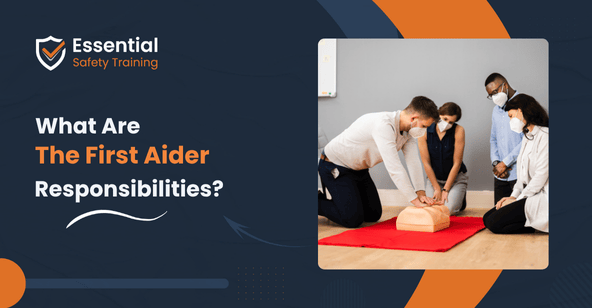
A first aider is someone who is prepared to give immediate assistance in case of an accident or a medical emergency. They have many responsibilities and duties that help to keep communities and workplaces safe. If you are new to this profession or have started but don’t have deep knowledge. This blog helps you get a better understanding of first aider responsibilities.
A first aider has many responsibilities, like quick risk assessment, ensuring workplace safety, performing casualty assessment and many more to keep the community and workplace safe. They play a crucial role in ensuring the safety and well-being of the people surrounding them..
Gaining a proper understanding of first aider responsibilities helps you gain confidence to work on any emergency situation. Let’s dive into the blog.
What is a first aider?
A first aider is a trained person who provides appropriate first aid until professional help arrives. They can give an immediate response and support with any life-threatening injuries. They play a crucial role in maintaining the safety of the community and the workplace.
In emergency situations, a first aider calmly and efficiently performs casualty assessment, CPR and wound care. The presence of a first aider in a public place or workplace encourages improvements in workplace safety and ensures prompt care when accidents occur.

What do first aiders do?
If you are thinking of starting a career as a first aider, a common question that comes to mind is, “What is the role of a first aider in the UK? or What do first aiders do?”. The role of a first aider is to give the injured person appropriate first aid until a professional arrives.
A first aider not only helps the injured person, but they also perform documentation of the incident for future safety. They are the bridge between the incident and professional help. This helps people to gain the mental support to stay calm in the incident spot. In short, they provided the initial medical assistance to help a injured person and create a safer environment for future incidents.
What Are the Responsibilities of a First Aider?
In the UK, the legal responsibilities of a first aider are defined under the Health and Safety (First Aid) Regulations 1981. Every workplace must provide proper first aid arrangements, including a trained first aider and a suitable first aid kit.
There are many first aider responsibilities that help to create a safer workplace. Some of the responsibilities are below.
Assessing a situation
In an incident environment, the 1st thing is to assess the situation calmly. This helps to keep yourself safe and others away from danger. Additionally, it helps you understand the problem, allowing you to create a plan for appropriate first aid and prevent further harm.
Assessing the risk gives you an idea of whether you can handle the situation or if you need professional help. This helps the first aider to control the situation from getting worse and give exact basic treatment to the injured person.
Protecting yourself from any danger
In any dangerous situation, a first aider should not jump into the situation. As a first aider, you should assess the situation, then help the injured with a plan. A first aider’s main responsibility is to help the injured person, but if you don’t think and jump into the danger, you may hurt yourself. The situation will become worse, and no one will be there to handle it.
A first aider should always understand the limits of helping others. You should remember your training and wait until a qualified medical professional arrives. One should avoid situations where they might put themselves and others at risk. And remember to call 999 or 112 before entering the danger zone.
Protecting others from any danger
As a first aider, the main priority is to protect people from danger and provide them with basic first aid treatment. In the UK, nearly one-third of workplace accidents are caused by slips, trips, and falls. It shows us how common accidents can happen in everyday life.
By prioritising safety, First Aiders create a safe environment for all. This protects him and also others from any danger. Being alert and prepared with a first aid kit and equipment helps you tackle any kind of situation. And deliver appropriate first aid without causing further risk.
Reassure the casualty and keep them calm
Reassurance is one of the most overlooked but very important responsibilities of a first aider. Reassurance provides feel comfort and calm. In any incident, if the injured person does not feel comfortable or calm, the situation may become worse. The NHS notes that anxiety can increase heart rate and breathing, which worsens the medical emergency.
In a casualty, as a first aider, you should calm yourself, speak gently, and show confidence. This creates a safer environment for the injured person and makes it easy to control the situation. In any incident, you should introduce yourself when you approach the injured person. Explain the situation to the person, and also explain what you are doing. Suppose you need to move the person. You should ask for permission to touch them.
Every first aider should treat with dignity and respect at all times. And also, if there are crowds gathered, a first aider should clear the crowd and keep the details private from others and keep them in the accident book.
Preventing infection
Preventing infection is one of the key responsibilities of a first aider. Following strict hygienic practices, such as using gloves and sanitiser in the incident, helps keep the wound safe from infection. A small cut can become infected and create a serious issue.
This means as a first aider, one should use gloves, masks and an alcohol pad to clean the wound before dressing it. This helps to keep the first aid box safe from contamination and ensures safe use of the first aid kit.
Following these practices helps you to keep the environment safe for yourself and others. Good infection control is a part of the duty of a first aider and helps everyone stay safe until professional medical help arrives.
Assessing the casualty
Assessing the casualty is one of the major responsibilities of a first aider. As a first aider, you should carry out a casualty assessment to determine the condition of the injured person and apply the immediate care or first aid treatment they need before a professional arrives.
If the injured person is conscious, find out how the incident happened and follow simple first aid procedures like primary survey DRSABC. DRSABC stand for:
▪️Danger
▪️Response
▪️Send for Help
▪️Airway
▪️Breathing
▪️Circulation
A qualified first aider always provides safe, secure and structured care. A quick assessment helps first aiders to make the right decision and give proper care to the injured person. This creates a safer environment for all.

Administering first aid treatment
Administering first aid treatment is the main responsibility of a first aider. When you are administering first aid, you need to feel comfortable enough to treat the injured person. This sounds somewhat unreasonable, but think like that, you are not confident enough and can’t handle the situation, as you thought. This can create a more intense situation. It is the best thing to call for help and maintain the situation until professionals arrive.
In the UK, a first aider can apply appropriate treatments, such as controlled bleeding and CPR, as well as administer first aid, including basic life support or paediatric first aid, depending on the casualty.
Giving immediate care can make a lot of difference for the injured person. A trained first aider should remember their responsibilities and duties. And use the skills from their first aid training. This helps to create a safer environment for all.
Arranging further assistance
A first aider’s responsibility does not just end after giving the first aid. After primary support, as a first aider, your next responsibility is to contact the emergency services, such as calling or guiding someone to call 999 or 112.
By arranging further assistance, ensure timely medical care. A first aider provides a bridge between the gap in first aid treatment and professional treatment.
Recording First Aid Incidents
After giving basic treatment and arranging for professional help, a first aider’s responsibility does not end. Documenting all the details of the incident is also an important part of the responsibility. Keeping a detailed accident book helps a trained first aider maintain accountability, track accident patterns, and sometimes helps to claim insurance.
A detailed writing in the first aid incident log includes what happened, when and what treatment was given. An accident book or first aid incident log book is not just paperwork. It is a legal requirement under the Health and Safety at Work Act 1974 (HASAWA). This helps improve workplace safety and maintain compliance.
Familiar with the environment and first aid kit
A good first aider should be familiar with the environment and the contents of the first aid kit. If an accident happens and you can’t find the item you need in the first aid kit. This can elevate the situation to a worse position.
By staying familiar with the environment and regularly checking first aid kit stocks, you gain the confidence to give immediate medical assistance. It is simple yet a crucial part of a first aider’s responsibility.
Keeping Training Up to Date
One of the most important first aid responsibilities and duties is to keep training up to date. There is no exact expiry of the training, but it is recommended to take refresher training at least 1-3 years after the initial training.
Maintaining first aid certification and attending refresher courses ensures that aid skills remain current, fulfilling first aid responsibilities and duties at work. There are many course providers in the UK, but Essential Safety Training provides one of the best first aider courses in the UK.
With Essential Safety Training, first aider meet their legal responsibilities and learn to maintain the duty of care. First aider training not only ensures your workplace safety but also helps you understand new guidance on mental health first aid.
Qualities of a first aider
As a good first aider, you need not only to understand the responsibilities but also to possess the necessary qualities. There are several qualities that a first aider should possess. Some of them are:
Communication skills
Clear communication is one of the most important qualities of a good first aider. In any accident, you should communicate with the injured person to give them the mental support and reduce their panic. This helps to calm the environment and makes it easier to aid treatment.
The ability to work under pressure
In any situation, a first aider should remain calm and handle the problem effectively. Working under pressure means prioritising tasks, performing a proper casualty assessment, and delivering immediate care without panicking. Handling the situation creates the best possible care until professionals arrive.
Initiative and leadership
A first aider must step up to take charge in the emergency. As a first aider, you should guide others to keep calm and ensure that the aid arrangements run smoothly. Strong leadership qualities help you maintain control in stressful situations and ensure workplace safety.
Positivity
In an emergency, a positive attitude helps the injured person stay calm and reduce anxiety. By staying positive, a first aider gains confidence, maintains morale during an emergency, and ensures that immediate care is provided efficiently until professional help arrives.
The ability to work in a team
Being a team player helps maintain workplace safety, supports emergency first aid arrangements, and ensures that everyone involved is working together to manage the situation calmly and confidently. This ensures that aid procedures are delivered efficiently and that the injured person receives the best immediate care.
How to Become a First Aider?
Becoming a qualified first aider in the UK starts with completing first aid training. Usually, the first aider courses cover essential skills such as basic life support, paediatric first aid, emergency aid techniques, and managing emergency first aid situations.
Essential Safety Training offers one of the best first aider courses in the UK. With 24/7 online support, you can finish the course at your own convenience. Additionally, after completing the course, you will receive a Free PDF first aider certificate. This allows you to fulfil your first aid responsibilities and duties at work or in public settings.
Can I give first aid without training?
There is a common question,” Can I give first aid without training?” The answer is Yes. In the UK, anyone can give emergency first aid even without formal training. However, giving first aid without training carries risks,and when there are lives at stake, one should not do anything to worsen the situation.
A trained first aider knows how A trained first aider knows how to follow first aid procedures safely, perform a proper casualty assessment, and provide appropriate first aid treatment. If you are not trained but can help in the situation, you should help the injured person. Completing first aider training or obtaining first aid certification significantly increases your confidence and effectiveness in emergencies.
FAQ
What are first aiders not allowed to do?
First aiders in the UK must stay within their training. They should not:
🔹Give medication unless prescribed and approved at work
🔹Attempt medical procedures beyond their aid skills
🔹Delay calling emergency services
Their role is to provide immediate care until professional help takes over.
Can I refuse to be a first aider?
Yes, unless it’s a legal requirement. Employers can’t force you to volunteer as a first aider.
What is the golden rule of a first aider?
The first aider’s golden rule is to ensure your safety first, then provide immediate assistance to the casualty.
Can I be sued for giving first aid in the UK?
Generally, no, if care is reasonable. If you act in good faith and within your area of skill, UK laws provide protection against lawsuits.
Final thought
Understanding what are the first aider responsibilities help you become a better and responsible first aider. As a first aider you are not only responsible for saving lives but also creating a safer environment for everyone.
A first aider should stay calm, assess the situation and casualty, and administrating immediate first aid treatment in the emergency situation. As a first aider, this knowledge becomes a important reference point, guiding every decision in an emergency and ensuring you act with confidence and care.
Essential Safety Training

At Essential Safety Training, we deliver a blend of online courses on safety and compliance. As a top-notch award-winning platform in the UK, we value learners and keep our commitment by creating more accessible, expertly crafted courses.