 Food Hygiene

 Free CPD Certificate on Completion

 Fire Safety
No products in the basket.


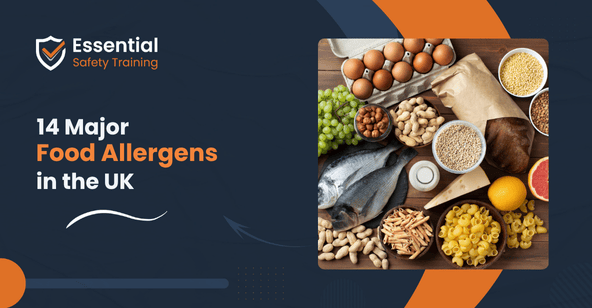
Are you searching for how many major food allergens are there? There are 14 major food allergens recognised by the Food Standards Agency (FSA) in the UK. It identifies these food allergens and requires all food businesses to label them.
It is essential to protect consumers from allergic reactions to certain foods. Food allergies in the UK have an increased prevalence compared to other regions. Some recognisable factors can be changes in dietary plans, changes in immune function, genetic predisposition, environmental factors, and increased exposure to allergenic foods.
With our informational guide, you can get detailed insights into the 14 major food allergens, which cause allergic reactions ranging from mild to severe.
What Is A Food Allergen?
“Food allergen” refers to one type of protein in food that will cause the immune system to react inappropriately. Food allergy occurs when the body overreacts to certain foods or to certain ingredients used to prepare food.
Food allergy to specific foods varies from one individual to another. Mild reactions such as itching, bumps or rashes across the skin to serious reactions such as swelling in the throat, abnormal breathing or anaphylaxis can manifest in other individuals from one specific food.
Food allergy is also not similar to food intolerance. Food intolerance causes slight stomach discomfort if one’s system is not tolerant of a particular food.
Types of Food Allergens
Food allergens generate food allergies that may be minor or severe illnesses. Various categories of food allergens may generate food allergies and food intolerance. Milk is among the best examples of food allergen that triggers both food allergies and food intolerance.
For example, if you are lactose intolerant, then your system cannot process milk or milk products. You will feel sick in your stomach. On the other hand, milk-induced allergies from food could cause fatal damage to one’s health, like swelling in one’s throat, difficulty breathing or anaphylaxis.
Let’s take a look at the top 20 food allergens that are the most common in the UK:
- Milk: Food allergies caused by milk are the most common ones found in infants and young children.
- Eggs: Allergies caused by eggs are most common in children under the age of 16
- Peanuts: It is the second most common allergy in adults. It can also be found in children under the age of 18
- Tree nuts: The most common six tree nut allergies are walnut, almond, hazelnut, pecan, cashew, and pistachio
- Sesame seeds: Allergic reactions from sesame seeds can range from mild to severe
- Soybeans: Soy allergy is very common in infants and babies. It can cause a runny nose, itchiness, and asthma symptoms
- Fish: Fish allergies can cause skin and gastrointestinal irritation
- Shellfish: Crustaceans and molluscs fall under this category. Individuals experience swelling, redness, stomach pain, and vomiting
- Wheat: Wheat allergies can be caused by intolerance to gluten and a certain type of protein found in wheat
- Triticale: Triticale is a hybrid grain of wheat and rye
- Celery: Celery allergies can cause oral cavity and mouth irritation
- Carrot: Individuals with oral allergies can get an allergic reaction from carrots and other raw fruits and vegetables
- Avocado: Avocado allergies are associated with tree pollen allergy or with latex allergy
- Bell Pepper: It can cause respiratory allergic symptoms
- Potato: Potato allergy can be caused by touching, peeling, or eating potatoes
- Pumpkin: Pumpkin allergies can be caused by pumpkin skin or seeds
- Mushroom: Mushroom allergies are also very common and can be found in young people frequently. The symptoms can range from mild to severe
- Onion: People can have an allergic reaction or intolerance to onions, raw or cooked onions and foods that use onions
- Mustard: Mustard allergies can cause hives, nausea, dizziness, swelling, or loss of consciousness
- Spices: Allergies to spices, such as garlic and coriander, are also common.

Why Food Allergies Occur? Mild to Severe Symptoms
Food allergy occurs primarily when one’s system wrongly reacts to specific foods or ingredients used in specific foods that cause physical harm or discomfort. Food allergies are reactions resulting from food allergens, which happen to be a specific kind of protein in food.
Allergic reactions occur once the immunological system, through exposure to food allergens, triggers IgE antibodies and deploys chemicals such as Histamine into circulation. Food allergy symptoms are minor to extreme in intensity and differ from one person to another.
Mild Symptoms
The mild symptoms of food allergies can be:
- Bumps or hives on the skin
- Red and swollen skin
- Itchiness like itchy eyes, throat, mouth, fingers, etc
- Runny nose and breathing problems
- Swollen fingers
- Dizziness, headaches
- Nausea, vomiting
- Mild stomach pain or cramps
- Inflammation
Severe Symptoms
Some of the severe symptoms caused by food allergies can be:
- Swelling in the throat
- Breathing difficulty
- Asthma symptoms
- Allergic rhinitis
- Oral cavity
- Loss of consciousness
- Severe stomach pain or cramps
- Gastrointestinal inflammation
- Anaphylaxis (Severe Allergic Reaction)
Food allergies can cause life-threatening harm to health, which is why it is necessary to make people aware of the major food allergens, symptoms of food allergies, and immediate treatment for such allergies.
How Many Major Food Allergens Are There?
There are 14 food allergens that require mandatory declaration on food labels. It is crucial to protect individuals from mild to severe foodborne allergies caused by these food allergens.
According to the Food Standards Agency (FSA), the UK legislation has placed regulations on every food business to label the major food allergens. Consumers must know what ingredients are being used in the foods they are consuming or purchasing.
If you want to learn about the 14 major food allergens that are common in the UK, let’s look into our informational guide:
14 Major Food Allergens
The UK’s 14 mandatory food allergens can be found in certain foods that we consume on a regular basis. It is essential to have an overall knowledge of these food allergens and the kinds of foods they can be found in.
- Celery: You can find celery allergies in celery salt, salads, soups, stock cubes, a few meat products, and so on
- Cereals containing gluten: Cereals that contain gluten, like wheat, rye, barley and oats, bread, cakes, pastry, etc
- Crustaceans: Some people have allergic reactions to crabs, lobster, prawns, Southeast Asian curries, salads, etc
- Eggs: Young children are often allergic to eggs. If you can’t have mayonnaise, pasta, quiche, sauces, pastries, cakes, mousses, and some meat products that use eggs, it may be because of an egg allergy
- Fish: Individuals who are allergic to fish may also be allergic to pizzas, relishes, fish curries, salad dressings, fish sauces, stock cubes, Worcestershire sauce, etc
- Lupin: People also have allergic reactions to products or foods that use lupin, such as bread, flour, pastries, pasta, and seeds
- Milk: Either you’re allergic to butter, cheese, cream, yoghurt, milk powders, or powdered milk used in sauces and soups, or you are lactose intolerant. It happens when you are allergic to milk and products that use milk
- Molluscs: Foods like mussels, land snails, squid, whelks, oyster sauce, and fish stews can cause allergic reactions
- Mustard: If you’re allergic to mustard seeds, you may also be allergic to foods that use mustard seeds. Breads, curries, marinades, meat products, salad dressings, sauces, soups, etc., can be some examples
- Tree nuts: Many people are allergic to cashew nuts, almonds, hazelnuts, nut powders used in biscuits, crackers, desserts, breads, ice-cream, nut oils and sauces
- Peanuts: When you’re allergic to peanuts, you may also be allergic to foods that use peanuts. Biscuits, breads, cakes, curries, desserts, groundnut oil, peanut flour and satay sauce use peanuts in them
- Sesame Seeds: Sesame seeds can be found in breads, breadsticks, sesame oil, hummus, tahini, salads, and sprinkled on top of hamburgers or dishes. Some people are allergic to sesame seeds
- Soybeans: Soybeans are used in curd, edamame beans, miso paste, soya flour or tofu, textured soya protein, meat products, vegetarian products, sauces, desserts, ice-cream, etc.
- Sulphur Dioxide or Sulphites: It is often used in dried fruits like raisins, dried apricots, prunes, meat products, soft drinks, wine, and beer. It can also be found in some vegetables.

These 14 major food allergens are found in the UK, where food allergies are more common than in other regions. Dietary plans, environmental factors, genetic predisposition, exposure to food allergens, etc., can be the key factors here.
Diagnosis and Treatment of Food Allergies
The diagnosis of food allergies can be done in many ways; for example:
- Your symptoms: The diagnosis of your food allergy can be done by assessing the symptoms you have. Which foods you are allergic to, your exposure to certain food allergens, etc., can be important factors here.
- Your family history: Information about your family history of allergies can also help diagnose your potential food allergies.
- Physical examination: A thorough physical examination by your medical care team can help you identify your food allergies.
- Oral examination: In this, you will eat a small but increasing amount of certain foods to detect your allergic reaction to the foods.
- A skin test: A skin prick test is the most useful examination to test your food allergies. If your skin reacts abnormally when exposed to certain foods or substances used in food, it can be your allergic reaction to such food.
- A blood test: Blood tests are necessary to determine the level of allergies you have to certain foods. It can range from mild to severe intensity by measuring the allergy-related antibody known as IgE (Immunoglobulin E).
- Elimination diet: Your medical team can suggest that you remove certain foods that you may be allergic to. It’s called the elimination diet.
You can also learn from Food Allergen Awareness training and have an overall knowledge of food allergens and the type of allergies they cause.
The treatment for food allergies varies from person to person. We have already learned about how food allergies can cause mild to severe symptoms in individuals and differ widely. For mild symptoms, you can use home remedies suggested by your medical care team.
If you face severe symptoms, then you are advised to take prescribed medicines for allergies, such as Antihistamines, Epinephrine, etc.
Frequently Asked Questions (FAQs)
What is the difference between food intolerance and food allergy?
Symptoms of intolerance to food and food allergy are similar, though they are distinct. A food allergy is an allergic reaction to specific ingredients or foods that are introduced into foods by virtue of the body’s system, which is responsible for our immune system. A food intolerance occurs if your gut develops sensitivity to particular foods.
Can food allergies vary in severity?
The symptoms and degree of these symptoms are not the same for one person to another. The immunological system in the human body will react to certain foods in persons who suffer from food allergy, and these reactions will significantly differ.
What are the major allergens recognised by the Food Standards Agency (FSA)?
There are 14 statutory food allergens which all UK food retailers have to lawfully declare. The 14 statutory food allergens are defined by the Food Standards Agency (FSA) to ensure that consumers will not suffer fatal injury or accidental harm to health.
Conclusion
The Regulation of Food Information of 2014 obliges all food manufacturers to make the information on allergenic ingredients applied in certain foods publicly available. The primary purpose of regulating such foods is the protection of customers with certain food allergies.
If we look at how many major food allergens are there, we can assert that there are up to 14 major food allergens that are labelled in the UK. Food allergies are a low-rate cause of death in the UK and worldwide as a whole, although specific food allergies may cause life-threatening harm to health.
They may cause severe health damage from mild presentations like itchiness, urticaria, stuffy nose, dizziness and nausea to severe health complications like swelling of the throat, breathlessness, anaphylaxis and syncope. Increasing awareness of the above-mentioned food allergens and food allergies should gain prominence.
Essential Safety Training

At Essential Safety Training, we deliver a blend of online courses on safety and compliance. As a top-notch award-winning platform in the UK, we value learners and keep our commitment by creating more accessible, expertly crafted courses.