 Food Hygiene

 Free CPD Certificate on Completion

 Fire Safety
No products in the basket.


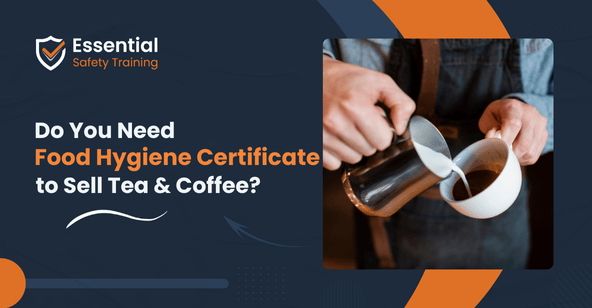
We live in a world where food hygiene and safety have become one of our biggest concerns. In the UK, foodborne illnesses are a major issue. Around 2.4 million cases of foodborne illnesses due to the lack of food safety are reported annually.
Every food business selling food products and beverages must meet the food hygiene, health, and safety regulations adequately. This brings us to another concern: Do you need a food hygiene certificate to sell tea and coffee? A food hygiene certificate is required to sell any food products, whether it’s tea, coffee, or any other beverages.

Here, in this blog, we will explore the necessity of having food hygiene certificates for food businesses. It’s a legal requirement for every food industry across the UK to have a food hygiene certificate to sell food products.
What Is a Food Hygiene Certificate?
A food hygiene certificate is a document that you receive upon the completion of your food hygiene and safety training. Every food business across the UK requires a food hygiene certificate to ensure food safety and prevent any health hazards.
Food hygiene and safety training helps you prepare, handle, or manage food processes without any food risks or hazards. Food industries recruit staff and provide them with adequate food safety training to ensure the hygiene and food safety of their consumers.
What Is Food Hygiene & Safety Training in the UK?
A Food Hygiene & Safety Training teaches food handlers or anyone involved in food businesses to comply with the food safety regulations effectively. It includes essential practices for preparing, storing, and serving food safely and preventing any food-related risks.
Food hygiene and safety training is a legal requirement for any individual responsible for food safety. It’s mandatory for every food industry across the UK to avoid any health hazards, penalties, or bad reputation for their business.
Upon the completion of your training, you will achieve a food hygiene certification. This verifies that your food business is in accordance with the UK food hygiene and safety regulations. The food hygiene certification has various levels based on your responsibilities.
Levels of Food Hygiene Certification
There are several levels of food hygiene certification, which generally progress from a basic level to an advanced one. The 4 common levels of food hygiene certification are:
- Level 1 (basic awareness for low-risk roles)
Level 1 Food Hygiene equips you with a broad understanding of food hygiene, hygiene and safety regulations, legal compliance of food safety, and other food safety basics. It also prepares you for low-risk roles and raises awareness.
- Level 2 (essential for all food handlers)
Level 2 Food Hygiene is for all food handlers, including cooks, chefs, preparation staff, and anyone handling food. It equips you with the necessary skills to handle food without any food hazards. Maintaining proper hygiene and ensuring food safety is a top priority here.
Level 2 Food Hygiene and Safety
Enrol in our Level 2 Food Hygiene and Safety course and earn a free CPD-accredited certificate now.
Enrol Now
- Level 3 (supervisors/managers)
Level 3 Food Hygiene is for managers, supervisors, business owners, and team leaders. It’s for anyone who’s responsible for ensuring compliance with the UK food safety regulations. Developing and implementing food safety plans, advanced hazard control, and food safety management systems are part of their responsibilities.
- Level 4 (advanced management/specialists)
Level 4 Food Hygiene is an advanced food safety training. It covers increasing complexity in personal hygiene, contamination control, legal requirements, allergen management, and developing safety systems to protect public health.
What Are the Food Hygiene & Safety Laws in the UK?
The UK food hygiene and safety laws were introduced to food businesses for ensuring food safety and eliminate any food-related risks.
Whether you’re responsible for any of the food preparation, handling, storing, or delivering processes or are someone who owns a food business, understanding the food hygiene and safety guidelines is a must.
Let’s look at the three most important UK food hygiene and safety laws to emphasise the necessity of having them!
- Food Safety Act 1990
The Food Safety Act 1990 is a foundational law and one of the most essential ones for food safety. Many of the UK food hygiene and safety laws were centred around this. It has established food safety requirements for every food business to adhere to.
With the help of these regulations, food businesses will be able to protect the health and food safety of their consumers. It’s a legal requirement as well as a mandate to prevent any foodborne illnesses or food-related hazards.

Other Food Safety Acts are:
- Food Standards Act 1999
The Food Standards Act 1999 established the Food Standards Agency (FSA), a UK government body which is responsible for ensuring food hygiene and food safety in the UK. It works with the local authorities, and the primary aim is to protect public health.
Another primary function of this act was to amend the UK food hygiene and safety laws. It brought some effective changes that were impactful as well.
- Food Safety and Hygiene Regulations 2013
The Food Safety and Hygiene Regulations 2013, another important food hygiene and safety law in the UK, works to secure a healthy and safe life for everyone.
It includes instructions for proper food storage processes, like the temperature control requirements. It also includes guidelines for preparing, handling, and delivering food in a safe, adequate way.
Food hygiene and safety laws are a vital part of the food safety process. Introducing the laws, implementing them in food businesses effectively, and making amendments where needed are the functions of such laws. The aim is to prevent food hazards and protect public health.
Do You Need a Food Hygiene Certificate to Sell Tea and Coffee?
Who doesn’t want to start their day with a fresh cup of tea or coffee? A tea or coffee business has become so common nowadays. Operating a food business where you sell tea and coffee requires a food hygiene certificate.
A food hygiene certificate not only helps your business comply with the UK legislation, but it also helps maintain the food safety regulations. Protecting the health of consumers and saving them from any food-related hazards or illnesses is a top priority here.

How can you get a food hygiene certificate for your tea/coffee business? Let’s get into this!
- Register your business
The first step here is to register your business. You can do enquiries with the local authorities on how you can register your business. The enquiries include information about the location of your business, the facilities you will be providing, staff requirements, and the safety standards.
- Select the level of your food hygiene certification
After registering your business, choose what level of food hygiene training you need. There are various levels of food hygiene certification based on the type, role and responsibilities you have.
- Include Food Hygiene & Safety Training
After selecting, equip your staff with adequate food hygiene training. It will help your business have skilled and competent staff. Whether you’re the owner or handling food on a regular basis, you must complete your training.
Upon the completion of your training, you will achieve your food hygiene certificate. If you’re still wondering about how you can get food hygiene certification for other types of food businesses, you can discover more here.
Can You Sell Other Beverages Without a Food Hygiene Certificate?
Whether you’re selling raw foods, prepackaged foods, or beverages, a food hygiene certificate is a legal requirement for every food business. As a vendor, you cannot sell beverages without achieving a food hygiene certificate.
If you’re a business owner or someone who prepares, handles, and delivers the beverages, you also need to have a food hygiene certificate. Food hygiene and safety training across the UK helps individuals responsible for food safety to maintain and comply with the food safety regulations.
Let’s explore the core reasons why every food business across the UK must have a food hygiene certificate!
- Compliance with the UK Food Safety Regulations
Food and hygiene certificates address the legal compliance standards regarding food hygiene and safety in the UK. If you are equipped with the food hygiene and safety regulations, it will be easier for you to operate your food business without any health hazards.
A certificate is a confirmation that you have adhered to the laws and regulations. It also helps you avoid any penalties or fines regarding food hygiene.
- Protecting Public Health
A food and hygiene certificate ensures the food safety of your consumers by implementing the best practices of food hygiene and safety. With this, you fulfil the legal requirements as well as protect public health.
Many cases of foodborne illnesses are reported every year in the UK. A food hygiene certificate confirms that your food business is safe from that.
- Business Reputation & Consumer Reliability

Food hygiene and safety guidelines ensure the food safety of consumers, as well as establish a good reputation for your food business. It secures food safety and builds reliability among your consumers. With this, you can also build a good relationship with your consumers to operate your business successfully.
- Skilled & Adequate Staff
Food hygiene and safety training for staff is an essential part of every food industry. It assures that the staff have the required skills to prepare, handle, and store food. It also verifies that they are fulfilling their duties with adequacy and are well aware of the food safety regulations.
- Employability & Career Growth
A food and hygiene certificate gives you a better chance of employment. Well-known businesses need good certificates that prove your suitability for the position in question. A certificate is also likely to assist in moving to higher positions and being promoted.
Other than these, food and hygiene certificates will also assist you to satisfy the insurance requirements, customer confidence in the service you offer and a higher food hygiene rating.
Frequently Asked Questions (FAQs)
Do you need a food hygiene certificate to serve food to the public?
Yes. If you are a registered food business, you must require a food hygiene certificate to serve food to the public. A food hygiene certificate assures that you’re protecting public health by maintaining food safety regulations.
What food hygiene certificate do I need for a burger van?
For a burger van, you must have a Level 2 Food Hygiene Certificate. It’s for food handlers, including chefs, cooks, or anyone who prepares and handles food. A Level 2 Food Hygiene Certificate is also adequate for catering or home food businesses.
Do I need a food hygiene certificate to sell prepackaged food?
Yes, you will need food hygiene training and a Level 2 certificate to sell prepackaged food. You have to register your business with the local council and ensure that your food business is in compliance with the food safety standards.
Conclusion
When you want to operate a food business, managing the health and food safety guidelines is a must. You’re probably wondering do you need a food hygiene certificate to sell tea or coffee. The answer is yes. A food hygiene certificate is required.
Whether you’re selling tea, coffee, or any other beverages, maintaining the food safety standards is a legal requirement for every food industry. Having a competent and skilled staff when preparing and handling food often helps run food or drink businesses successfully.
This is why a food hygiene certificate upon the completion of your food hygiene training is mandatory. It ensures compliance and protects the health and food safety of consumers.
Essential Safety Training

At Essential Safety Training, we deliver a blend of online courses on safety and compliance. As a top-notch award-winning platform in the UK, we value learners and keep our commitment by creating more accessible, expertly crafted courses.