 Food Hygiene

 Free CPD Certificate on Completion

 Fire Safety
No products in the basket.


Whenever you go out for a meal with your family or close ones, how do you choose a restaurant? Isn’t it by checking out their websites or ratings list? Well, that proves how important it is for a business to maintain its rating.
In this article, we will describe the food hygiene rating checklist. We will go through the key areas to focus on inspections and the pre-inspection of the food safety checklist. We will also talk about common mistakes and essential documentation for compliance with food hygiene.
We will also discuss training staff on hygiene, the benefits of digital food safety, and automated monitoring systems. Lastly, we will also cover how to appeal to food hygiene ratings and their importance to the food business. Let’s dig in.
Understanding the Food Hygiene Rating System

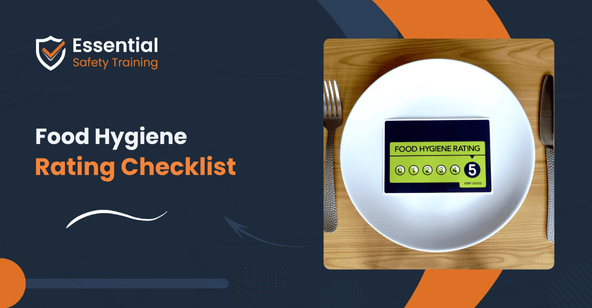
The Food Hygiene Rating System (FHRS) in the United Kingdom assists consumers by rating food businesses based on their hygiene requirements. Businesses with food hygiene are graded on a scale of 0 to 5, with five being the best.
The ranking is based on how effectively food is handled and managerial standards. It also prioritises the cleanliness of the facility. Food hygiene rating reports can be viewed online or are frequently displayed at the establishment. If a food business gets a bad rating, they can request a review or file an appeal. This method promotes proper hygiene habits and aids in ensuring transparency.
To learn more about food hygiene ratings, you can check our ‘Food Hygiene Safety Training‘ for more in-depth knowledge about the food hygiene rating system.
Food Hygiene Rating Checklist
Key areas to achieve a high food hygiene rating:
- Cooking food at the proper temperatures
- Avoiding cross-contamination
- Keeping all food locations, utensils, and equipment clean
- Storing food appropriately
- Keeping the premises in good condition
- Keeping records of food preparation safety standards and
- Ensuring that employees are appropriately trained

Key Areas of Focus for Food Hygiene Inspections
Key areas of focus for food hygiene inspections are:
- Food Handling
- Cleanliness of environment
- Condition of the premises
- Staff hygiene
- Effective food safety management systems
Food Safety Management
Structural Compliance
Structural compliance with food hygiene entails ensuring that a food establishment’s physical conditions meet safety and sanitary regulations. This includes keeping the premises clean and in good repair, providing sufficient ventilation, lighting, and access to pest control, making surfaces easy to clean, and building adequate facilities that prevent infection and promote proper hygiene habits.
Staff Training
Employee training is critical for ensuring that employees understand and follow food safety procedures. Training should cover food handling techniques, cleanliness standards, temperature control, and emergency protocols. Staff members can remain current on food hygiene laws and regulations by attending refresher training and regular updates.
Pre-Inspection Checklist for Food Businesses
The first step in pre-inspection is ensuring food storage and cooking temperature. Maintaining good hygiene and cleaning equipment are also critical. Ensure records are up to date and staff have a proper understanding of emergency procedures.
Common Mistakes to Avoid During Inspections
- Unsuitable food storage
- Insufficient cleaning techniques
- Disregard for employee hygiene and
- Failure to maintain the facilities
These are the common mistakes that need to be avoided during inspections. Improper food storage can be problematic. Neglecting critical maintenance and basic care of the assets could result in poor inspection results.
Essential Documentation for Compliance
A thorough, efficient Food Safety Management Plan that specifies safe food preparation is proper documentation for complying with food hygiene regulations. Effective cleaning schedules and temperature logs should be kept consistently.
Cleaning procedures, food storage, and cooking temperatures should be documented. Staff training records must demonstrate that personnel have been educated about food safety hazards.
Additionally, pest control records and maintenance logs should be preserved to demonstrate frequent accessibility for pest inspections. It’s essential to keep these records updated and readily available to clear inspections.
Explore our food hygiene courses to boost your knowledge.
Preparing for Your Food Hygiene Inspection
Important criteria to prepare for a food hygiene inspection include:
- Reviewing your documentation
- Ensure the cleanliness of the surfaces and equipment
- Check the food is stored correctly
- Inspect the premises
- Make sure your staff follow hygiene practices

Other two important criteria that are as much necessary are:
| Training Staff on Hygiene Practices | Conducting Routine Self-Inspections |
| Hygiene training entails teaching employees about proper food handling. It includes personal hygiene and cleaning procedures. Such as how to properly wash hands, keep uniforms clean, and sanitise equipment and surfaces. | Routine Self-Inspections entail frequently inspecting your own food handling techniques, sanitation, and storage conditions. This aids in the identification and resolution of possible concerns before official inspections, assuring continuing compliance with hygiene standards. |
Benefits of Digital Food Safety Solutions
One of the many advantages of the digital food safety process is enabling fast problem-solving through:
- Real-time temperature
- Compliance and
- Cleanliness monitoring
They improve data accuracy by automating records and reporting. They also optimise operations and save time by using digital food hygiene checklists and notifications. By making previous data for audits and inspections easily accessible, these processes help enhance traceability. They also provide digital materials and updates to help with staff training, promoting food safety, improving compliance, and streamlining management chores.
Automated Monitoring Systems
Automated monitoring systems are very helpful for ensuring proper food hygiene. They provide real-time tracking of critical factors like food temperature and cleanliness. They will automatically alert you if any issues need attention. Additionally, they ensure food safety processes are performed without manual checks.
Digital Checklists for Easier Compliance
Electronic checklists replace paper forms, simplifying the process of finishing and reviewing tasks. They can send out notifications and reminders and save data digitally, which simplifies tracking compliance and retrieving records at the time of inspection.
Insights into the Food Hygiene Rating Scheme
An overview of how successfully food enterprises adhere to cleanliness regulations is given by the Food Hygiene Rating Scheme (FHRS). The ratings range from 0 (urgent improvement necessary) to 5 (very acceptable).
The frequency of inspections depends on local government and is intended to assist customers in making well-informed decisions. After making the required adjustments, businesses can use the comments to enhance their procedures and ask for re-inspections.
How to Appeal Your Food Hygiene Rating

To appeal your food hygiene rating, you need to follow some specific steps. These steps include:
- Understanding the reasons for the rating
- Then, address the issues
- Make the necessary improvements
- Contact your local authority
- Submit an appeal
- Provide evidence of improvements
- If your appeal is accepted, arrange for another inspection for higher ratings
The Importance of a High Food Hygiene Rating
A high food hygiene rating is vital because it fosters customer awareness and trust, confirms that food safety officers are well-managed, boosts your company’s brand, and exhibits adherence to safety requirements. This can help your risk business grow by attracting more clients.
Frequently Asked Questions
What are the five food hygiene ratings?
The five food ratings are:
✔ 5- Hygiene standards are excellent
✔ 4- Hygiene standards are good
✔ 3- Standards are acceptable but need improvement
✔ 4- Hygiene standards are poor
✔ 5- standards are very poor and need immediate attention
What do I need for a food hygiene inspection?
For a food hygiene inspection checklist, you need:
✔ Food safety management plan
✔ Cleaning materials records
✔ Temperature logs
✔ Staff training records
✔ Maintenance records
✔ Pest control records
✔ Emergency procedures
What questions are asked in a food hygiene inspection?
Some commonly asked questions in a food hygiene inspection are:
✔ How do you ensure that food is stored at the appropriate temperature?
✔ How do you clean and sanitise?
✔ How do you avoid cross-contamination?
✔ Can you show me your staff’s training records?
What is assessed during a food hygiene rating inspection?
The aspects of food safety that are assessed during a food hygiene inspection are:
✔ Food handling
✔ Cleanliness
✔ Premises condition
✔ Staff hygiene
✔ safety management
Conclusion
In conclusion, obtaining and maintaining a good food hygiene rating is critical for customer experience. Concentrate on critical areas such as food safety, cleanliness, and staff hygiene.
Prepare for inspections by correcting frequent mistakes, keeping documents up to date, and implementing digital technologies to expedite compliance. Employees should receive excellent training and apply the rating system’s insights to make improvements. A good rating increases client confidence and promotes corporate success.
Essential Safety Training

At Essential Safety Training, we deliver a blend of online courses on safety and compliance. As a top-notch award-winning platform in the UK, we value learners and keep our commitment by creating more accessible, expertly crafted courses.