 Food Hygiene

 Free CPD Certificate on Completion

 Fire Safety
No products in the basket.


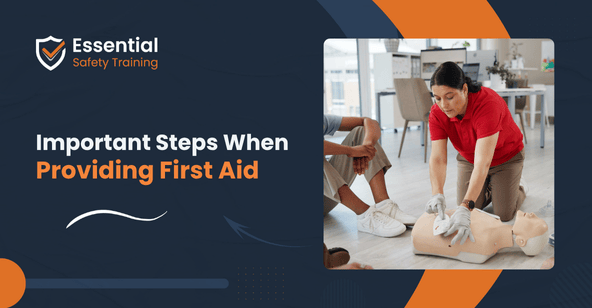
First aid can have a life-or-death impact. Acting quickly becomes crucial in case of medical emergencies. But what is the most important consideration when providing first aid?
Checking for dangers is the most important consideration when providing first aid. Before giving first aid, danger should be checked. Then, the focus should be on the safety of everyone involved.
When assisting someone, we should always prioritise safety. Effective aid cannot be provided without checking for dangers and staying safe.
Let’s explore why checking for danger is the most important aspect of first aid.
What is first aid?

Immediate medical help that’s provided to the injured person before further professional medical help arrives is known as First aid.
The first aid provision becomes crucial when an accident occurs. By acting quickly and effectively can significantly impact the outcome for the injured person.
First aid serves three essential purposes: preserve life, prevent further injury and promote recovery. The “3 P’s” of first aid refer to these purposes.
When someone’s in danger, being trained in first aid equips you with the ability to save them properly.
The first aider’s immediate care can be the turning point between life and death. This highlights the importance of gaining first-aid knowledge and skills. The actions taken by the first aider often bridge the gap until medical emergency services can step in.
Without first aid, many minor injuries can turn into fatal form. So, first aid ensures immediate safety after an accident.
Why is first aid important?
First aid plays a crucial role in emergency situations because it can mean the difference between life and death. When someone gives first aid immediately after an accident, they can stabilise the person’s condition. This will prevent the person’s condition from worsening before professional help arrives.
First aid aims to save lives by utilising various life-saving techniques and interventions. It’s a crucial skill that helps manage effective emergency first aid response.
Providing first aid reduces recovery time by responding quickly to injuries like burns or sprains. When you apply cold compresses right away, you can reduce swelling and prevent burns from worsening. Reacting correctly to injuries helps prevent them from getting more severe.
When providing first aid, you also offer emotional support to persons experiencing an emergency. People may feel scared, confused, or in shock during such situations. Your calm and timely response helps them feel more secure. Simply providing first aid with emotional support can significantly impact someone’s mental well-being.
Basics of first aid

Before diving into specifics, one must understand what first aid demands and how to use a first aid kit. Providing immediate care with the resources you have on hand is essential in first aid. You don’t need to be a medical professional to give first aid. But you do need a basic understanding of the basics of first aid. The basics of first aid:
- Staying calm under pressure.
- Assessing the situation before acting.
- Prioritising life-saving measures.
First aid aims to give immediate treatment until further professional treatment arrives. By knowing basic first aid, one can ensure basic first aid even if he or she is not an appointed person for basic first aid.
What is the most important consideration when providing first aid?

When dealing with first aid, you need to think about protecting yourself and the person you are looking after. It’s first important to quickly check for any dangers before rushing in to assist.
As an important part of the process, the DR ABC approach includes checking for dangers (Danger, Response, Airway, Breathing, Circulation). If the area is unsafe, you must move the casualty or wait for professional help.
We’re equally as important to protect ourselves from harm, physical, chemical and biological. One way to do this is to wear Personal Protection Equipment (PPE).
Gloves, face masks or eye protection to avoid contact with their blood while in PPE. First aid may often expose you to blood or bodily fluids. So, taking precautions helps prevent direct contact and possible cross-contamination.
Keep in mind that remaining calm is key, aside from the immediate danger. Remember that panic can worsen an already tensed situation. Panic also can slow down decision-making and the ability to act.
Your ability to stay composed enables you to assess the scene more thoroughly. Staying calm also helps to respond to the casualty’s needs more effectively.
Lastly, do not underestimate the importance of providing the appropriate treatment based on your training. You should ensure the casualty receives the proper care without risking further injury. Providing reassurance to the injured person helps reduce their anxiety. Reassuring them may also result in stabilising their condition until emergency services arrive.
By checking off these factors, you can give good first aid to yourself and the casualty.
Key considerations for providing first aid
Several considerations exist for providing first aid. First aid becomes more efficient and saves lives if these considerations are ensured. They are given below:
Assess the situation
Take a moment to look at your surroundings before rushing to help. Consider if there are any dangers nearby. This step is crucial if you are at the scene of an accident. You might observe live wires, broken glass, or even dangerous chemicals. Acting without thought can make the situation worse.
It’s essential to assess the situation and risks carefully and proceed with caution. This risk assessment ensures you know what you’re getting into. This may seem like a waste of your time. But a quick scan can prevent more injuries and save lives. You can avoid risks or take steps to reduce them if you know the risks.
In this way, you can provide first aid safely.
Prioritise the victim’s safety
Shift your focus to the victim and see if you can move them to safety. This step may not always be possible. But if it is, then take action. Moving them might help prevent further harm if the person lies on the road.
Never attempt to move them if there’s a possibility of spinal injury. This could result in more harm. If it becomes necessary to move them, do so with caution. Always consider the possible risks involved if you are moving them.
Follow basic first aid steps
Once you have secured safety, follow basic first aid steps. Begin by checking if the first is breathing. If they do not breathe, then call emergency services. If you’ve done CPR training or have CPR certification, start giving CPR while waiting for help. If the person remains conscious and breathes, you can treat wounds or control bleeding.
It’s important to remember that keeping calm during these steps is crucial. Panic can lead to mistakes. By staying composed, you will be more effective. Each action you take should be based on a brief assessment of the person’s needs. A clear and calm mind will help you focus on what’s necessary.
Manage bleeding
Acting fast becomes crucial when someone is bleeding. After ensuring safety, you should grab a clean cloth. Your first aid equipment should include clean clothes in it. Press it firmly on the wound. Apply constant pressure to stop the bleeding. If the cloth becomes soaked, do not remove it. Just add another layer on top. This helps blood cot, which stops bleeding.
If possible, you should also elevate the injured area to slow bleeding. But make sure you don’t do this if you suspect broken bones or other internal injuries. Keeping pressure on the wound until professional help arrives can prevent significant blood loss.
Treat shock
Even if a person has minor injuries, they might go into shock. Shock occurs when the body does not receive enough blood flow.
This can be dangerous, so watching for signs of shock is essential. The signs include cold, clammy skin or rapid breathing. If you notice these signs, lay the person down and elevate their legs slightly, if possible. This might help blood flow return to the vital organs.
Keep the person warm with a jacket or blanket. Provide reassurance and stay with them until help arrives. Staying alert and taking quick action can help minimise its effects.
Call for help

Even if the situation seems under control, always call for professional help. Professional help should always be called for because first aid is temporary care. This temporary care can’t replace professional medical care. Emergency services possess the tools and expertise to offer long-term solutions. So, they would be the best people to contact.
While waiting for help, you should monitor the injured person. You should check their breathing, consciousness and any signs of shock. If their condition worsens, you will need to adjust your actions. However, remember that professionals are on the way. Until they arrive, your role is to keep things stable.
Continuous learning
First aid skills require ongoing learning and regular updates on first aid technique. Keeping yourself informed through attending refresher courses. This ensures that you’re always prepared to assist in emergency situations.
Staying updated on first aid techniques and the latest guidelines ensures readiness to provide help. Attending different refresher first aid courses every couple of years helps maintain better first aid skills. If you don’t keep your first aid certification updated, then you’ll face legal consequences.
Confidence grows through knowledge. The more confident you are, the better you can respond to first aid emergencies. Continuous learning enhances your effectiveness as a first aider.
FAQ
What is a first aid consideration?
First aid consideration is assessing the safety of the scene. Before helping, we need to check for hazards.
What are the 3 C’s for first aid?
The three aims of first aid procedures are known as the “Three Cs”. These are:
–Check
–Call
–Care
What does ABCD stand for in first aid?
ABCD in first aid stands for:
–A: Airway
–B: Breathing
–C: Circulation
–D: disability
Conclusion
What is the most important consideration when providing first aid? The first thing you need to think about when giving first aid is checking for dangers, as it’s the most important consideration when providing first aid.
First aid begins with checking for dangers, then situating yourself and protecting yourself. You then help the injured person. First aid training also teaches you about prioritising the checking of dangers.
Effective first aid involves staying calm, communicating well (and knowing when to ask for help). By doing so, you are starting with the base of successful first aid interventions by checking for dangers and putting safety first. Always keep learning, and remember: Your safety allows you to save lives.
Essential Safety Training

At Essential Safety Training, we deliver a blend of online courses on safety and compliance. As a top-notch award-winning platform in the UK, we value learners and keep our commitment by creating more accessible, expertly crafted courses.