 Food Hygiene

 Free CPD Certificate on Completion

 Fire Safety
No products in the basket.


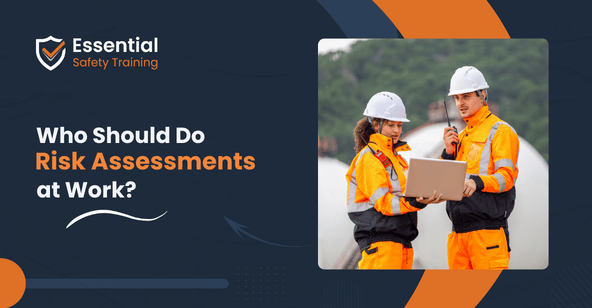
Who Should Perform a Risk Assessment? Learn About Workplace Safety
Who should perform a risk assessment? Competent individuals must perform risk assessments at any workplace, including employers and safety officers. Learn more.
Read More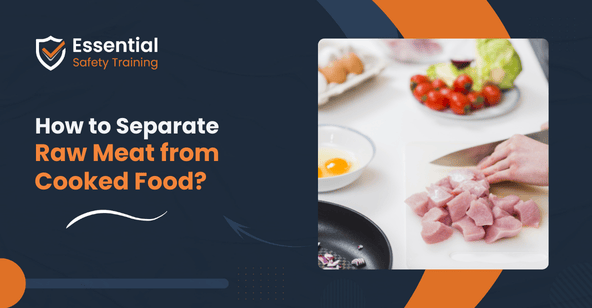
How Do You Keep Raw Meat Separate From Food Already Cooking?
How do you keep raw meat separate from food already cooking? Use separate utensils, containers and clean them thoroughly. Learn more about the effective methods.
Read More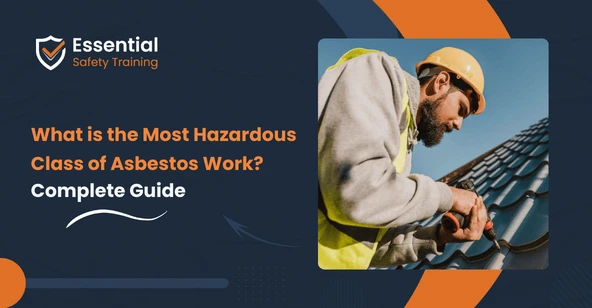
What is the Most Hazardous Class of Asbestos Work? Complete Guide
Learning what is the most hazardous class of asbestos work for identifying high risks and explaining why strict safety controls and licensed handling are crucial.
Read More
How to Handle Chemical Hazards in Food? Everything You Need to Know
Chemical hazards in food include harmful substances, naturally occurring or man-made, that contaminate food and cause health hazards. Find out more.
Read More
What is the Law That Relates to Sale of Food?
What is the law that relates to sale of food? The UK laws relating to the sale of food include the Food Safety Act 1990, the Consumer Protection Act, and more.
Read More
5 Safety Rules in the Kitchen: Everything You Need to Know
What are the 5 safety rules in the kitchen? The key safety rules focus on preventing cuts, burns, slips, contamination, and foodborne illnesses. Find out more.
Read More
Who is Responsible for Filling in the Accident Book?
Protect your team and workplace! Know who is responsible for filling in the accident book and how to report accidents correctly.
Read More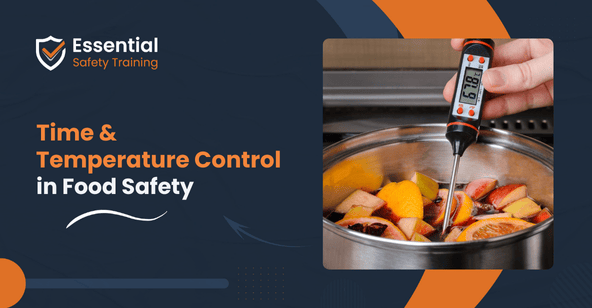
Understanding Time and Temperature Control in Food Safety
Time and temperature control in food safety involves managing foods within strict temperature ranges (below 5°C or above 60°C) to prevent harmful bacteria.
Read Moresecure payment