 Food Hygiene

 Free CPD Certificate on Completion

 Fire Safety
No products in the basket.


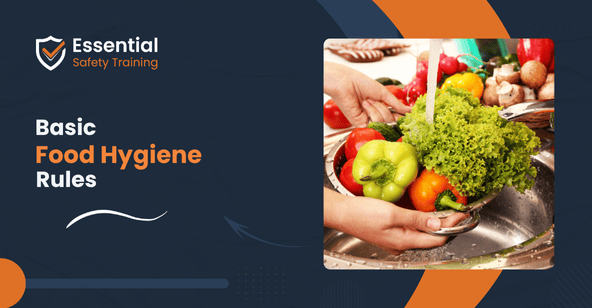
Legal requirements for food safety are usually called as basic food hygiene rules, which are standard procedures of handling, processing, storing and preparing foods to prevent contamination and subsequent effects on the health of consumers.
By following these basic principles, food handlers minimise chances of depositing dangerous bacteria on the foods; thus serving good quality and hygienically prepared foods. Basic hygiene rules are essential to ensure the health of the general public, especially when it comes to food. It is said that ‘Health is Wealth’. Following basic food hygiene rules is a part of maintaining a healthy lifestyle.
In this blog, we will discuss the best ways and advice on how to follow the basic rules of food hygiene for having a healthy life.
What is Food Hygiene?
Food hygiene is the process of taking necessary steps to ensure the safety of the food. Food hygiene basically entails the measures taken to ensure that food is safe to be eaten and is properly processed, packed, cooked, stored, served and even displayed most of the time.
It is about how to clean, cook and store foods to avoid the risk of food-borne diseases due to the presence of bad bacteria, viruses and many other harmful pathogens. Food hygiene comprises aspects like food handler’s personal hygiene, ways of preventing cross-contamination, controlling the temperature of foods and observing set food safety laws.
Practical food hygiene protects the health of consumers together with the food’s quality.Good food hygiene practices will undoubtedly help individuals maintain the quality and safety of their diets.
Importance of Food Hygiene
Food hygiene refers to the measures of avoiding contamination of food and hence is vital in avoiding food-borne diseases. Appropriate food handling, storage, and cooking get rid of poisonous bacteria, viruses, and other microorganisms present in food products.
It also helps minimise the chances of recontamination and helps to make sure that food in the serving area is still fresh and good for consumption. Ensuring high standards of food hygiene is important in preventing food-borne illnesses, meeting legal requirements, and ensuring a positive reputation for the food businesses. Finally, it promotes the consumers’ confidence and general welfare.
1. Prevention of Foodborne Illnesses
- Minimises Health Risks: Most raw foods contain bacteria and germs that are not good for our health. Correct food hygiene will ensure that unsafe organisms, including germs that cause common diseases such as salmonella and E. coli, among other disease-causing germs, will not make it to our foods. Coli can cause norovirus.
- Protection for Vulnerable Groups: Some of the most vulnerable groups in society are children, the elderly, pregnant women, and people with compromised immune systems. To this end, hygiene must be very central and strict, especially in areas such as hospitals, schools, and nursing homes, among other institutions, because cross-contamination is inevitable.
2. Compliance with Legal Requirements
- Avoids Legal Penalties: The law is used by governments regarding hygiene laws in food, and if they fail to adhere to these laws, some of the consequences include fines, closure, or even legal cases against such businesses.
- Ensures Licensing: Employers in the food service industry have legal requirements in regard to sanitation standards and food safety legislation, which include HACCP and Department of Health approval in order to be allowed to operate legally.
3. Customer Confidence and Business Reputation
- Builds Consumer Trust: Good food hygiene practices assure consumers that they are eating safer foods. They also build confidence and encourage repeat business.
- Prevents Negative Publicity: Poor food hygiene can lead to the risk of health disease outbreaks, negative media coverage, customer complaints and long-term damage to the business’s reputation.

4. Quality Control and Product Preservation
- Ensures Food Quality: Basic food hygiene rules to keep the food fresh and healthy, prevent contamination, and preserve its flavour, texture, and valuable nutritional value.
- Reduces Waste: Hygienic handling and proper storage conditions help prevent food waste, reduce waste, and save operating costs.
5. Ethical and Social Responsibility
- Safeguards Public Health: Supermarkets and grocery stores have an ethical duty to prevent foodborne illness by adhering to strict food safety standards and avoiding cross-contamination through the provision of proper hygiene.
- Promotes Sustainability: Depending on the above-discussed facts, it can be concluded that food sanitation or protection of food from being wasted or contaminated is effective in minimising it.
The Four Cs of Food Hygiene
The four Cs of Food Hygiene are essential guidelines to ensure food safety and the health of general people while avoiding illnesses due to food contamination. The 4 Cs are –
Cleaning
Cleaning is one of the major components. It has a purpose and some key practices. Such as –
- Purpose: The main motto of the food safety management system is to remove all germs and harmful bacteria from equipment and hands.
- Key Practices: Washing hands with soap and clean water before and after handling food, whether raw or cooked food. Cleaning of surfaces and boards daily. Lastly, ensure that all fruits and vegetables are washed properly with safe water.

Cooking
Cooking is another vital part of food hygiene. The purpose and some key practices are –
- Purpose: Reduce and kill all the infectious bacteria in food through heat.
- Key Practices: Cook food at an appropriate temperature, check food is properly cooked by maintaining food safety standards, and reheat until any bacteria are destroyed.
Chilling
Chilling is a vital part, just like other components. The purpose and key practices can be discussed as follows –
- Purpose: Store the foods in cold temperatures to reduce the growth of bacteria.
- Key Practices: Keep the temperature of refrigerators and freezers low (4°C) as minimum temperature, Store foods like raw meats and dairy products appropriately, and Don’t leave foods that can be rotten at room temperature for an extended period of time, especially raw ingredients.
Cross-Contamination
The last crucial part of the 4Cs is Cross-Contamination. Further discussion about the purpose and key practices of Cross-Contamination are –
- Purpose: Prevent food from being poisoned and polluted.
- Key Practices: Don’t mix the cutting boards of vegetables and raw ingredients. Also, separate ready-to-eat foods from raw foods. Store raw meats and foods at an appropriate temperature.
Legal Framework for Food Safety
Food safety legislation consists of laws, legislation, regulations, and guidelines that help promote safe practices in handling food, preventing the food from being contaminated, establishing the proper method of cooking, and protecting people from diseases caused by food-borne illnesses. This framework varies by country but typically includes several key components:
1. National Legislation
- Food Safety Laws
These are comprehensive regulations passed by state and provincial governments to
ensure that all food products meet safety standards. The responsibilities of food producers, manufacturers and distributors are explained. A proper food safety management system should be maintained.
- Regulatory Agencies
The government is responsible for establishing food safety laws and regulations. Companies should develop detailed regulatory codes to investigate and detect unsafe food products for the betterment of the general people. Build trust among the general people and grow their respective food businesses.
2. International Standards and Agreements
- Codex Alimentarius
Codex Alimentarius Commission (which is a collaborative work of FAO and WHO together) is a set of standards, codes of practice and guidelines that are recognised at the international level and are uniformly implemented, thus providing the consumer and his health an internationally set requirement along with maintaining the other set of essential rules relating to food hygiene and safety in the trading circles.
Codex standards encompass more issues that relate to food safety within the food chain, pesticide residues, food additives and hygiene.
- World Trade Organization (WTO) Agreements:
The Convention on Sanitary and Chemical Standards (SPS) allows countries to set their own food safety standards while ensuring that these products are scientifically sound and do not impose commercially unnecessary restrictions.
3. Regulations on Food Production and Processing –
- Good Manufacturing Practices (GMP):
GMPs are guidelines on issues involving manufacturing and testing that can determine the quality and safety of foods. Description Cleaning requirements and needs of record keeping and office maintenance as well as proper food safety management system.
- Food Labeling Requirements:
Food labelling is, therefore, obliged by law to be accurate so as to communicate with the consumer critical information regarding ingredients, allergens, nutritional value safe storage and expiration dates.
4. Food Safety Surveillance and Response –
- Foodborne Illness Surveillance:
Foodborne illness surveillance entails reporting systems through which governments are able to record cases of illnesses as well as the origins. America’s CDC is on such agencies and organisations and it has a role to play in informing the public.
- Emergency Response:
During a food safety crisis for instance in a food-borne illness outbreak, law enforcement bodies coordinate the recalling process and also warn the public of the vice with an aim of establishing the cause of the contamination in order to provide safe foods for the people.
Personal Hygiene Practices
This then highlights the point that every individual should practice good hygiene in order to enhance the quality of his/her health. Intermittent shaving, bathing, and feeding habits are some of the good hygiene practices since they prevent the spread of bacteria, viruses, and other pathogenic organisms.

Personal hygiene practices include:
- Hand Hygiene
- Handwashing: To get rid of infectious diseases and foodborne illnesses, handwashing is the most effective way.
When to wash hands? Let’s discuss –
- Before taking food and after eating food.
- Following a bathroom visit.
- After dealing with waste or animals
- After coughing, sneezing, or blowing your nose.
Effective ways to wash hands include –
- Use warm water and soap.
- Scrub all parts of the hands, including the back part of the hands, between the fingers and nails for 15-20 seconds.
- After washing with soap and water properly, dry your hands with towels or a dryer.
Another way of washing your hands is Hand Sanitising. A hand sanitiser must contain 60% alcohol to be effective when water is not available. Just simply apply some drops of sanitiser, then rub your hands together while covering the back and front of your hands as well as fingers until it is dry.
2. Oral Hygiene
- Brushing Teeth: Brush your teeth two times a day. Use toothpaste, which is enriched with fluoride and a soft-bristled toothbrush. Brush all surfaces of your teeth, including the front, back, and chewing surfaces, for at least two minutes.
- Tongue Cleaning: Brush your tongue to remove bacteria and freshen your breath.
- Mouthwash: Use an antibacterial mouthwash to rinse your breath to freshen it and minimise microorganisms. For optimal results, use after flossing and brushing.
- Regular Dental Check-ups: To preserve oral health and avoid dental problems, schedule professional cleanings and examinations at the dentist’s office at least twice a year.
What are the basics of food hygiene?
The basics of food hygiene practices are there to ensure hygienic food with the help of a food safety management system. There are some basics of food hygiene, such as –
- Personal Hygiene –
- Handwashing: Always wash your hands thoroughly with soap and water in the following situations: before preparing or eating food, after using the restroom, after touching raw food, and after handling waste.
- Clean Clothing: Wear clean clothes or aprons when preparing food, and avoid jewellery that can collect dirt and bacteria.
- Health: Do not prepare food unless the illness is spreading, especially if there are symptoms such as nausea, vomiting, or skin irritation

2. Proper Cooking –
- Cook Thoroughly: Make sure the food is cooked to the right temperature to kill harmful bacteria. Check the temperature of meat, poultry and fish with a food thermometer.
- Avoid Undercooking: Be especially careful on poultry, eggs, and ground meat, which contain Salmonella and E. coli. Bacteria like coli are more susceptible.

3. Cleaning and Sanitising –
- Clean Surfaces and Utensils: To eradicate bacteria from the kitchen, it is important to clean and sanitise the surface of the kitchen and other utensils like cutting boards, spoons, and knives to prevent any cross-contamination.
- Wash Fruits and Vegetables: Use clean and, if possible, boiled water to wash fruits and vegetables.

4. Chilling –
- Proper Refrigeration: Keeping raw meat, dairy items, and vegetables in the refrigerator at the appropriate temperature to prevent any bacterial growth.
- Freezing: Freeze foods so that they stay protected from all sorts of bacterial interventions.
5. Food Handling –
- Avoid Touching Food with Bare Hands: While handling food, don’t touch it with your bare hands. Avoid touching ready-to-eat items to reduce the risk of contamination.
- Proper Serving: Use clean utensils and do not handle food with unwashed hands.
6. Pest Control –
- Prevent Infestations: Keeping kitchen, dining and food storage areas clean is the best way to deal with pests like insects.
- Pest-Proof Containers: Use sealed containers to prevent pest contamination.
7. Waste Disposal –
- Proper Waste Management: Remove food waste and packaging immediately and cover it with garbage bags to prevent the attraction of pests.
- Regular Cleaning: Clean trash bins regularly to prevent odours and the spread of bacteria.
Frequently Asked Questions
What are the 5 food hygiene rules?
5 Food hygiene rules include –
Wash hands thoroughly before handling food.
Keeping raw and cooked foods separate to avoid cross-contamination.
Cooking food to the correct temperature
Storing perishable items in the refrigerator
Cleaning surfaces and utensils regularly to prevent the spread of bacteria.
What are the basics of food safety?
The basics of food safety have 4 simple steps. Maintaining all of those basics is essential to ensure food safety for all people. It includes –
Clean
Separate
Cook
Chill
What are the 5 food standards?
The ratings are between 0 and 5. For example –
0 – Urgent improvement required.
1 – Major improvement necessary.
2 – Some improvement is necessary.
3 – Hygiene standards are generally satisfactory.
4 – Hygiene standards are good.
5 – Hygiene standards are very good.
What is the danger zone for food?
Bacteria grow most rapidly in the range of temperatures between 8°C and 63°C, doubling in number in as little as 20 minutes. This range of temperatures is often called the “Danger Zone.” Never leave food out of refrigeration for over 2 hours.
Conclusion
Individuals and organisations can significantly reduce the risk of contamination by implementing basic food hygiene rules and practices, such as washing hands frequently, cooking food properly, avoiding contamination, and proper food storage temperature. Personal hygiene, routine hygiene, sanitation, and proper waste disposal further help towards safe and nutritious food.
Essential Safety Training

At Essential Safety Training, we deliver a blend of online courses on safety and compliance. As a top-notch award-winning platform in the UK, we value learners and keep our commitment by creating more accessible, expertly crafted courses.