 Food Hygiene

 Free CPD Certificate on Completion

 Fire Safety
No products in the basket.


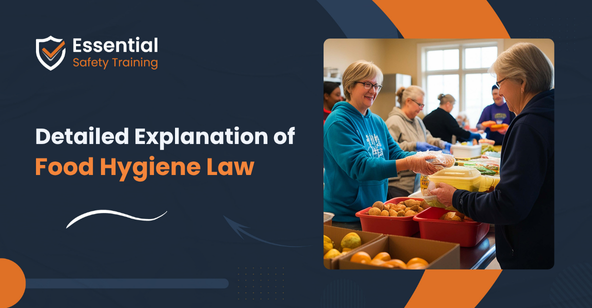
The main aims are to ensure public safety and reduce foodborne illness. Food safety authorised officers ensure that everyone is safe through the law.
We will go over the fundamentals of food hygiene law, the Food Safety Act of 1990, and best practices for safety. We’ll discuss temperature control, hygiene ratings, and the implications of Brexit. We’ll also explore changes in rules and how public awareness and community actions help with food safety.
Let’s dig in.
Key Regulations in Food Hygiene Law
Food hygiene law is designed to ensure food safety procedures. The main aim is to protect public health. Key regulations in food law include:
Food hygiene law
- Food Safety Act 1990
- Food Hygiene Regulations
- HACCP System
- Labelling and Allergen Information
- Inspections and Hygiene Ratings
- Penalties for Non-Compliance

The Food Safety Act 1990
The Food Safety Act of 1990 assures that every food sold in the United Kingdom is safe food. Fines for non-compliance compel enterprises to prevent the sale of hazardous food and permit local authorities to conduct food hygiene inspections and enforce these regulations.
Food Hygiene Regulations
Food hygiene regulations require food business operators to:
- Make sure their tools and space are kept clean
- Ensure that employees follow proper hygiene standards
- Ensure that food is handled and stored safely
HACCP System
The HACCP system assists food industries in maintaining food safety legislation by identifying potential hazards. This ensures that food remains safe from the stages of food production until eating.
Labelling and Allergen Information
Labelling and allergen information focus on food products’ clear display. This helps to make safe choices for the public. It focuses on:
- Ingredients
- Allergens and
- Dates
Inspections and Hygiene Ratings
Local governments inspect and give food hygiene ratings to food business operators to ensure their hygiene. Businesses are required to disclose their rating, which ranges from 0 to 5. People can judge the business’s cleanliness and safety procedures based on this grade.
Penalties for Non-Compliance
A food establishment that fails to fulfil hygienic regulations may suffer fines, closure, or even legal action. These fines help ensure that food establishments adhere to strict safety regulations.
Food Safety Management Procedures
Food safety management practices assist food business operators in ensuring the safety procedures of their products by identifying potential hazards. Keeping track of procedures and checking that safety measures are part of this. These procedures help businesses continually provide customers with healthy meals.
Importance of Effective Procedures
- Prevent food-borne illnesses
- Protects people from food poisoning
- Helps businesses to maintain their reputation
- Helps to avoid contamination and legal issues
- Ensures poor food safety
Temperature Control in Food Safety
Temperature management is critical for food safety requirements because it prevents hazardous bacteria. Food that is cold below 5°C and hot dishes over 63°C must be stored.
Food must be cooked to a safe internal temperature to destroy bacteria. Hot food should also be cooled and preserved correctly to ensure safety. Maintaining these temperatures helps guarantee that food is safe to eat.
Importance of Staff Training and Personal Hygiene
Staff training and personal cleanliness are essential for food safety. Training in food safety lowers the risk of contamination. It ensures that food operators are aware of food handling procedures. Personal hygiene, such as thorough handwashing, clean clothes, and frequent health checks, helps to reduce bacteria. These procedures help to safeguard people against illnesses caused by foods.
Best Practices for Staff Hygiene
Best practices for staff hygiene include basic maintenance of staff like:
- Staff should wash their hands
- They should wear clean clothes
- Report their illness
- Using gloves when needed
- Avoid touching face
Serving and Displaying Food
Food should be served and displayed with the hot food at or above 63°C and the cold food below 5°C. Food should be covered to prevent contamination, and it should only be kept out for a limited time—usually no more than two hours. These methods help to keep food safe.

Purpose of Hygiene Ratings
Food hygiene ratings show how safe and clean a food service is. They assist customers while deciding where to eat, motivate businesses to keep excellent standards, and build trust by showing their dedication to food safety.
Exemptions in Food Hygiene Law
Home kitchens and tiny enterprises are typically exempt from food hygiene laws. There could also be exceptions to the rule for some low-risk foods. Furthermore, non-profit or communal food events, such as those conducted by charities, can adhere to different rules. These exceptions assist in preserving food safety legislation while accommodating various circumstances.
Impact of Brexit on Food Hygiene Law
Brexit has impacted food hygiene legislation by allowing the UK to preserve many of the EU’s laws while having the freedom to make adjustments independently.
New restrictions for exporting food to the EU now demand conformity with both UK and European Union laws. Trade agreements and customs process modifications can also impact food accessibility and safety.
Overall, Brexit allows the UK to set its food standards while establishing new trade and legal obstacles.
Changes to Food Safety Regulations
Following Brexit, the UK has established its regulations for food safety. Food exports to the EU must now comply with new export regulations, which demand more paperwork. Trade agreements have also evolved, affecting both food exports and imports. These reforms give the UK more flexibility but also provide fresh challenges to businesses.
Public Awareness and Education
Public awareness and education are vital for ensuring their health and safety. It is crucial for food injurious prevention. We can make people aware of food by:
- Organising education campaigns
- Offering training programs
- Providing clear guidance for food businesses
Promoting Food Safety in the Community
Promoting food safety management systems helps individuals understand and use excellent food safety legislation. It includes:
- Hosting seminars to teach safe food-eating habits
- Launching awareness campaigns
- Collaborating with local groups to provide resources and training and
- Disseminating safety information via flyers and online
Frequently Asked Questions
What is the law about food hygiene?
The basic law of food hygiene is ensuring food is well prepared and stored safely to prevent illness. Overall, it sets food standards to protect people’s health.
Is it a legal requirement to have a food hygiene certificate?
The answer is NO. It is not a legal requirement, but the people handling food must be trained and follow basic hygiene rules.
What are the four food hygiene rules?
The four food hygiene rules are:
✅Keeping everything clean
✅Cooking food at a safe temperature
✅Separating raw materials and ready-to-eat foods
✅Ensuring proper storage of food
Conclusion
To summarise, food hygiene laws protect public health. Crucial food legislation such as the Food Safety Act of 1990, temperature regulation, employee education, and hygienic measures aid in the prevention of illness.
Hygiene ratings educate consumers and promote high food standards. While Brexit and regulatory changes pose new problems, they also provide increased effective control. Public awareness and community actions help to keep everyone safe and informed.
Essential Safety Training

At Essential Safety Training, we deliver a blend of online courses on safety and compliance. As a top-notch award-winning platform in the UK, we value learners and keep our commitment by creating more accessible, expertly crafted courses.