 Food Hygiene

 Free CPD Certificate on Completion

 Fire Safety
No products in the basket.


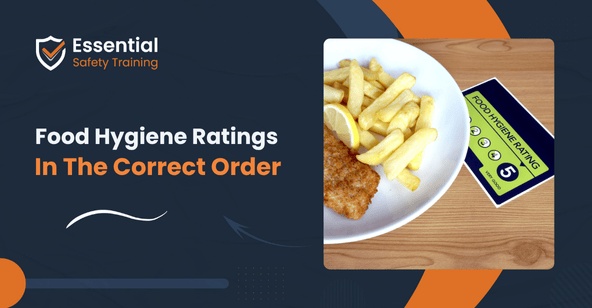
Have you ever heard about food hygiene ratings before? Don’t have a clear idea about it? Don’t worry; let’s discuss food hygiene ratings in the correct order. Basically, food hygiene ratings are used to evaluate cleanliness and ensure food safety.
These ratings, which are usually awarded by the local health departments, assist the consumers in determining the level of cleanliness prevalent in various food business places such as restaurants and cafes, among others.
The results of the evaluation are presented in a basic form with the numbers, meaning that an establishment has better hygiene measures. Awareness and implementation of the food hygiene ratings contribute to increasing the safety of the general population and increase their confidence in the food available in the various eateries.
In this blog, you will learn about the food hygiene ratings for better understanding.
Food Hygiene Rating Scheme
It is therefore necessary for consumers and food businesses to get more analytical of the food hygiene conditions. These conditions provide a picture of how clean a given food establishment exercises all the necessary safety measures to reduce food-borne ails.
The standing system usually has a base of 0 numeric value and an apex of 5 when it denotes the degree of hygiene prominence of a certain place; however, a numeric value of 5 shows that enhancement is highly demanded. Then is a breakdown of the process –
- Inspection Process: Authorities of a locality, for example, health officers and environmental activists, conduct an operation to inspect the food stores and businesses. They evaluate various aspects of food hygiene standards, including:
- Food handling: This entails how food is prepared, cooked, cooled, and stored to help impurity.
- Cleanliness of Facilities: It discusses about the cleanliness of the kitchen, equipment, house, and the all overall things that is related to food hygiene to meet safety standards.
- Food Safety Management: The inspector checks that there are adequate systems in place to ensure food safety, including staff training and record keeping.
- Rating Criteria:
- 5: Excellent standards, very good food hygiene practices.
- 4: Good standards but with minor issues that can be improved.
- 3: Generally satisfactory, but some areas need attention.
- 2: Some improvement is necessary to meet expected hygiene standards.
- 1: Major improvements required.
- 0: Urgent improvement is necessary for the business to meet minimum legal requirements.
- Display of Ratings: In many countries, it is either mandatory for, or it is recommended that businesses show their food hygiene rating at their premises or their web page.
- Improvement and Reinspection: When a business is rated low they are normally accorded some time so that they can work on issues that led to their poor rating. When changes are made they can request for another inspection to be conducted and the report to be revised.
Food Hygiene Ratings in The Correct Order
Food hygiene ratings in the right way mean the properly arranged classification system that was designed for assessment and presentation of the sanitary and anti-epidemic initiatives of the food businesses. These ratings are awarded after health inspections and there comes a certain scale that from 0-5 indicating the highest rating which is 5.
Each rating represents a subject establishment’s compliance with set food handling, hygiene and safety practices. Knowledge of these ratings in the right sequence can assist consumers to gain a quick understanding about a business’s levels of compliance to food hygiene standards when eating out or buying foods.

Food hygiene level 0
Food hygiene level 0 is the lowest rating on the scale of hygiene. This indicates there is a serious issue regarding food safety and cleanliness. Also, it describes that immediate improvements are needed. This is what food hygiene level 0 refers to –
- Major breaches of food safety laws that pose a risk to public health.
- Poor handling of foods exposes the foods to contamination and, therefore, results in increased food-borne diseases.
- Care and cleanliness: There are low levels of hygiene, especially in the kitchen and other places where foods to be sold are prepared or handled.
- Lack of proper food storage may result in the food getting spoilt or containing bacteria.
- The lack of a food safety management system indicates that there is a lack of evidence of proper implementation of good food safety practices.
- Inadequate processes of storing and preparing food and cooking may result in undercooking or contamination of the food items.
- Immediate action is required by the authorities to address the hygiene issues, with the possibility of closure until standards improve.
Food Hygiene Level 1
Food hygiene rating level 1 recommends the fact that there is much room that needs to be covered in terms of hygiene standards by the food business operators. There is a certain truth to the fact that the business is not at the lowest rating; however, there are urgent problems that need solving. Key points of a level 1 rating include:
- Exceptional hygiene practices on foods being cooked to meet the recommended standards in preparation, handling and serving of the foods.
- Very clean and well-maintained premises, with all areas spotless and in top condition.
- Comprehensive food safety management systems, properly documented and consistently followed by staff.
- No improvements are needed, as all hygiene standards are met or exceeded.
- Full compliance with hygiene regulations, showing that the establishment takes food safety seriously.
- Minimal risk to public health, providing complete confidence in the safety of the food served.
Food Hygiene Level 2
From the Food hygiene rating level 2, it is clear that there are some areas which should be worked on in order to achieve an acceptable standard of hygiene in a food business. Still, the issues remain that need addressing despite the fact that some of the practices may suffice at best. Critical aspects of a level 2 rating include:
- Some improvements are needed in food safety and cleanliness.
- Inconsistent food handling practices, with potential risks related to cross-contamination or improper storage.
- Cleanliness of the premises may be below standard in certain areas, though not posing an immediate health threat.
- Basic food safety management systems may be in place but lack thoroughness or consistent application.
- Moderate risk to food safety, meaning the establishment is not fully compliant with hygiene regulations.
- Steps required to address issues and meet legal food hygiene standards.
Food Hygiene Level 3
Food hygiene rating level 3 means that an establishment fails to meet acceptable standards of hygiene and sanitation as far as food is concerned but is relatively better off as compared to the worst ratings.
Thus, making the conclusion that the business complies with legal regulations, but there are certain problems with food hygiene practices. The following are some of the factors that are required in order for a given firm to be assigned a level 3 rating:
- Satisfactory food safety practices, with no major risks to public health.
- Minor improvements are needed in certain areas, such as food handling or cleaning routines.
- There is inadequate cleanliness of premises and equipment, though some aspects may require attention.
- Food safety management systems are in place but may need better implementation or more consistency.
- Moderate level of compliance with food hygiene regulations, with no significant issues.
- There is a low risk to food safety, but steps should be taken to improve weak areas.
Food Hygiene Level 4
A food hygiene rating level of 4 is that the hygiene of an establishment is good and breaks the food hygiene laws and regulations a little bit most of the time. Some of them require minor changes only. Critical points of a level 4 rating include:
- Proper food handling measures, to make sure that the food prepared for sale is safely stored, processed and offered to the consumers.
- Clean and well-maintained premises, with high levels of cleanliness throughout the establishment.
- Established plans of food safety should be appropriately adopted and complied with throughout the workplaces by the staff.
- Minor improvements are needed, but they do not pose any serious risk to food safety.
- High compliance with hygiene regulations, with no major concerns or violations.
- Low risk to public health, ensuring a safe dining experience for customers.
Food Hygiene Level 5
Food hygiene rating level 5 is the highest, which means that a specific place has a significant standard of hygiene. It observes the food safety provisions in the most rigorous manner possible and can be good to demonstrate that one is serious about practising high standards of cleanness and safety in food selling or preparation. The main aspects of a level 5 rating include:
- Good hygiene, in relation to handling food in a proper manner to avoid contamination at every time for preparation, storage, or serving.
- All the facilities in the school are very clean and neatly maintained and all the place are very clean.
- Comprehensive food safety management systems, properly documented and consistently followed by staff.
- No improvements are needed, as all hygiene standards are met or exceeded.
- Full compliance with hygiene regulations, showing that the establishment takes food safety seriously.
- Minimal risk to public health, providing complete confidence in the safety of the food served.
Criteria for Assessment
There are various points which are combined together to determine the food hygiene assessment criteria for food establishments. Inspectors of Health will need to evaluate these areas during a business surprise check so as to ensure that the businesses are well run. Comply with legal requirements as in the Food Code. The following are details of the various criteria:
1. Food Handling Practices –
- Storage: Proper food storage is important to prevent contamination. This includes proper temperature control (such as refrigeration) and separating raw and cooked food to prevent cross-contamination.
- Preparation: Eat food cleanly. Cleanliness of containers and surfaces and proper handling procedures should be ensured.
- Cooking and Reheating: Proper cooking temperatures must be maintained to kill harmful bacteria. To prevent foodborne illness, Food should be heated to a safe temperature.
- Cooling: Cooked food must be cooled quickly and safely to prevent the growth of harmful bacteria.
2. Cleanliness of Premises and Equipment –
- General Cleanliness: All the food preparation areas such as kitchens, dining areas or any area housing food storage surfaces must be free from dirt, grease, or food debris.
- Cleaning Procedures: The business must have a clean schedule on how equipment, surfaces and utensils must be cleaned. This entails cleaning of parts of the room that are most likely to get contaminated with the preparations such as cutting boards and sinks.
- Waste Disposal: There have to be correct systems in handling and discharging waste to keep off pests and other contaminants.
3. Food Safety Management System –
- HACCP (Hazard Analysis and Critical Control Points): This system makes it possible to identify the risks that are associated with the food and also how to prevent them when preparing the food. There should be a well-documented procedure that points to risk situations at critical junctures to be implemented in the business.
- Record Keeping: There are records that the business has to keep in order to observe that food safety is always checked for instance, temperature checks on storage and preparation areas.
- Staff Training: Food handlers should train the employees properly on hygienic ways of handling the foods and cooking them to avoid compromising on the safety of the foods.
4. Personal Hygiene of Staff –
- Handwashing: Employees cannot touch food without proper hand wash since washing of hands removes numerous bacteria including contamination from raw foods or by the use of the rest room.
- Personal Protective Equipment (PPE): This means that staff should ensure they dress appropriately for the function expected of them in food preparation and handling. This includes hairnets, gloves, and clean uniforms.
- Health Monitoring: Employees with flu-like symptoms should not handle food as this is likely to spread bacteria or viruses to other people.
5. Compliance with Legal Standards –
- Food Hygiene Regulations: The centre has to follow the national and or regional food safety requirements and standards. This encompasses food labeling, other food-related matters such as the sourcing of the various food ingredients and other equipment and procedures used in food preparation as well as provisions of statutory regulations.
- Licensing and Registration: In order to operate legally, the business has to be licensed and registered with the health departments.
Who does food hygiene inspection?
The majority of the food hygiene inspections are normally carried out by the Environmental Health Officer/EHO or another officer from the local government’s health departments. These professionals are capacity poised to assess the hygiene and sanitation benchmark of food business outlets such as restaurants, café, take away or food processing companies.
The rationale of the inspection is to ensure that independently contracting business people are conforming to standards on food hygiene that are set with a view of protecting the health of the consumers.
During an inspection, EHOs check what complied well with the food hygiene regulation or what failed- the handling, preparation and cooking of food, the state of the premises and infrastructure and the cleanliness of personnel.
They also look for compliance to operational food safety management procedures including the application of HACCP to contain risks. Most inspections are random and can occur at any time, meaning the inspecting officers have to see practices carried out in their normal fashion.
These inspections are important for preventing the spread of diseases within the community, especially food-borne diseases, by ensuring that food is handled appropriately and stored in a clean and healthy atmosphere.

The process of food hygiene inspection
An inspection of food hygiene inspection entails the assessment deemed necessary to be carried out by the EHOs or other officials to enforce shed compliance by the food business. Below is the inspection process, which is divided into the following steps:
1. Unannounced Visit – Some of the food hygiene inspections are random, and therefore, the business cannot predict when the inspector is likely to turn up. This assists the inspector in overseeing routine activities that are performed in the course of every day.
2. Initial Assessment – Before going through the inspection process, the inspector begins by notifying the owner that he or she is conducting the inspection and the reason why the inspection is being made. They may check records including licenses, food safety plans – for example, HACCP plans, and temperature records.
Some of the areas that the inspector evaluates are the overall hygiene of the premises, paths, spacing or density of the lays and general organisation.
3. Food Handling and Preparation – The inspector pays attention to the manners in which food is stored, prepared, cooked, and even served. They ensure that the foods that are meant to be cooked raw are stored separately from those that are ready for cooking, and they verify that the foods being cooked are at the correct temperature and that the other foods that are to be stored are also at the right temperatures.
They also assess how food is cooled, reheated and stored to enable them to be fit for consumption by human beings.
4. Cleanliness of Equipment and Premises – The inspector examines the specific sanitation standards with regard to the work surface, equipment, utensils and
conducive storage. They search for signs of pests, including urine staining or spoilage
of packets/foods, and general hygiene in dealing with waste and its disposal.
5. Personal Hygiene of Staff – Sanity officers have to make sure that personnel maintains good standard hygiene such as washing hands frequently, wearing clean clothes and using protective clothing like gloves and headnet as and when required.
They may also decide whether the staff was trained on how to handle food safely and if any sick person is allowed to handle food.
6. Feedback and Rating – Upon the inspection, the inspector gives the client an assessment of the areas that need to be rectified. It brings out any emerging problems that need always to be dealt with, for instance, hazards to health or law violators.
Depending on the findings of the inspection, the hygiene rating of the establishment is provided, which ranges from a low of 0 to a high of 5. Depending on the degree of cleanness and safety provided in the premises this rating is given to the business.
Importance of food hygiene ratings
Hygiene ratings are essential for the protection of the public since those who are considering where to eat or even to order their food should be informed systematically on the safety aspect of the restaurant they are considering. These ratings indicate how clean or otherwise a food-selling business is.
This reduces the chances of food contamination. From a business’s perspective, high ratings increase their credibility and customer traffic as well as motivate them to offer their best services, while low ratings act as a stimulus for improvement. It also ensures that the policy of legislative health requirements is implemented among the food establishments and the protection of the public’s health.

What to Do If You Disagree With Your Rating
In case you do not agree with the outcome of your food hygiene rating or score you can take the following steps. First, it is possible to file a complaint to the respective authority within the stipulated time and explain why you think the rating is wrong.
In case improvements have been made, one can request a re-inspection to determine their standard of hygiene. Furthermore, anyone can write a ‘right to reply’ in order to add context or state corrective measures in case the rating is negative, and it will be published with the rating on the internet.
Ways to Improve the Food Hygiene Ratings
Focus on key areas like maintaining cleanliness throughout your premises, ensuring proper food storage, handling, and preparation, and implementing effective pest control measures. Make sure staff are trained in food safety and follow strict personal hygiene practices.
Regularly review and update your food safety management system, like HACCP, to ensure it meets legal requirements. By consistently following these practices and addressing any issues raised during inspections, you can boost your food hygiene rating.
Frequently Asked Questions
What are the 4 food hygiene rules?
The 4Cs of food hygiene
Cleaning.
Cooking.
Cross-contamination.
Chilling.
How to get a 5-star rating for food?
Along with the safe preparation of food, a neat and clean environment is a must for the 5-star rating.
What is level 1 food?
Level 1 Food Safety and Hygiene is for all staff who work in a food production or retail business and who handle low-risk or wrapped foods.
What is a 5-star rating?
A score of 5 stars points to an excellent experience and a highly satisfied customer with the product or service. It is a strong marker that the customer will likely return to repurchase.
Conclusion
Food hygiene ratings are critically important for public health, and customers’ confidence and they instil the need for business organisations to display high standards of cleanliness and safety. All these ratings, therefore, will go a long way in reducing the risk factors associated with eating out and leading to a healthy society.
Essential Safety Training

At Essential Safety Training, we deliver a blend of online courses on safety and compliance. As a top-notch award-winning platform in the UK, we value learners and keep our commitment by creating more accessible, expertly crafted courses.