 Food Hygiene

 Free CPD Certificate on Completion

 Fire Safety
No products in the basket.


According to the UK Food Security Report 2024, food hazards from the lack of food hygiene and safety caused an estimated 1.7 million food-borne illnesses annually. Food hygiene and safety have necessary guidelines for food preparation, handling, and storing.
Ready to eat food products are safe to eat without any cooking or other preparation. If you’re wondering how should you remove bacteria from ready to eat salad vegetables, there are simple step-by-step procedures you can follow to maintain food hygiene and safety.
When it comes to maintaining health and food safety, following the food safety instructions is crucial. In our step-by-step guide, you can learn about food safety and why it is essential to follow the food hygiene and safety regulations rigorously.
What Is a Ready to Eat Food Product?
A ready to eat (RTE) food product is a commercially prepared food which is ready to be sold in a ready-to-eat condition, without any additional cooking or secondary processing. Ready-made food products are safe to consume, but sometimes you need to wash them. You can rinse foods like salad greens or fruits to remove bacteria.
Ready-to-eat foods include raw and cooked foods. If you are eating pre-cooked foods, then they have to be warmed a bit. Warming has the possibility of eliminating the pathogenic bacteria that grew during the storage duration. Since you are eating raw foods like fruits or salad vegetables, washing them properly is also needed.

What Are Some Examples of Ready-made Food Products?
Would you like to know more about some ready-made foods that need no preparation or cooking and can be consumed easily?
Here, let’s take a quick glance at some of the most common ready-made foods!
- Cooked and prepared meals
Lasagna, frozen pizzas, sandwiches, burgers, pasta, sushi, chicken and rice dishes, vegetable curry, burritos and wraps, grilled and baked foods, etc.
- Cooked Meat and Poultry
Beef, pork, ham, lamb, chicken, turkey, and duck.
- Shellfish and Seafood
Cooked seafood like fish and prawns, mussels, cockles, raw oysters, seafood salads, etc.
- Canned and packaged meals/foods
Canned tuna, canned beans, pre-packaged foods, pouches of cooked lentils, etc.
- Deli food products/items
Sliced meats, pre-prepared salads like coleslaw, macaroni, cold cuts, etc.
- Snacks
Chips, crackers, nuts, fried rice puffs, mixed savoury snacks, etc.
- Desserts and baked food items
Pastries, fruit pastries, pâté, sweets, pretzels, doughnuts, cookies, etc.
- Beverages and convenience food items
Juices, soft drinks, milk, etc.
- Dairy food products
Yoghurt, ice-cream, soft cheeses, chocolates, pre-prepared desserts, etc.
- Egg food products
Cooked eggs, quiche and foods containing uncooked or lightly cooked eggs like mayonnaise, mousse, etc.
- Fruits, vegetables, and pre-cut salads
Fruits, vegetables, and pre-cut salads are foods that you can consume after washing them properly under running water.
Food and health safety are the two most significant problems that need to be tackled by effective preventive and safety measures for good health. Foods need to be protected against bacteria, allergens, and contamination, particularly in ready-made foods, since they are not cooked or prepared to be further cooked.
Why Are Ready to Eat Foods High-Risk Foods?
Ready-to-eat foods have greater risks compared to the other cooked or processed foods. Food is warmed to the appropriate temperature, which helps to eliminate most of the dangerous microorganisms and parasites and ensures the food is safe.
Ready-made foods are not safe enough, even after washing, because it requires other hygienic measures.
Let’s get into the core reasons why such foods are high-risk foods!
- Not Prepared or Cooked
Ready-made foods are not prepared or cooked any further and therefore are at a higher risk of food hazards. By cooking or heating the food, at times, bacteria like E. coli, if available in the food, will be destroyed. If we do not prepare or cook food further, the bacteria stay in the food.
- Bacterial Growth-friendly
Ready-to-eat foods are rich in moisture and protein, and therefore, they provide a good substrate to the pathogens and bacteria. Unsafe bacteria like E. coli and Salmonella may multiply quickly in such foods in case they are not kept at the required temperature.
- Increased Risk of Cross-Contamination
Ready to eat foods are also susceptible to being easily contaminated when stored along with other raw/uncooked foods. Ready-made foods can also contain allergens responsible for serious health conditions like allergies, infections, respiratory conditions, etc. Poor hygiene, such as dirty utensils and unclean hands, also increases the susceptibility to food hazards in ready-made foods.
- Poor Storage Practices
It is necessary to keep storage guidelines for prepared foods. Bacteria like E. coli and other microorganisms may multiply quickly in case they are not maintained at the right temperature; that is, between 0°C and 5°C. Certain prepared foods are to be kept cold in order to eliminate contamination, among other food hazards.
- Lack of Proper Maintenance
Ready-made foods need proper hygiene and safety maintenance to prevent food hazards or any other foodborne illnesses. The lack of proper maintenance, like storage and other standards for food safety, can cause food poisoning and other food hazards. Using unwashed utensils and unhygienic materials for cleaning or storing can also cause health hazards.

How Should You Remove Bacteria from Ready to Eat Salad Vegetables? Step-by-Step Guide
With the help of our step-by-step instructional guide, you can now remove bacteria from ready to eat salad vegetables and other food products.
Let’s explore the steps together!
Step 1: Wash your hands properly
The first step to any food preparation, handling, or other food processing is washing your hands. Most food companies’ employees wear hand gloves when working and preparing food. Handwashing will kill the initial germs you have and get you a step closer to safeguarding food.
Step 2: Remove or peel the outer layers
If you’re having ready-made foods that have outer layers, you can remove the outer layers. It will remove one layer of bacteria initially and prevent you from foodborne illnesses. Many fruits, vegetables, salad vegetables, etc., have outer layers or skins that you can peel off before eating.
Step 3: Brush off the dry dirt
Some ready-made foods have dry dirt on them. You can brush off the dry dirt before washing or cleaning them thoroughly.
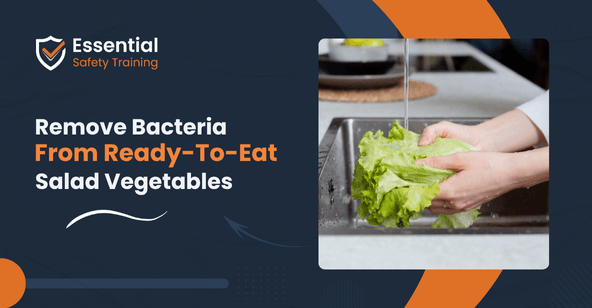
Step 4: Rinse or wash thoroughly under running water
Rinsing foods like salad vegetables and fruits prior to their pre-preparation under running water removes other bacteria from them. Washing them under running water thoroughly can kill the harmful bacteria from foods like fruits, vegetables, salad vegetables, etc., and preserve your health.
Step 5: Soak in a bowl of cold water
Place your salad fruits or vegetables in a bowl of cold water. This eliminates the food preservatives and pesticide chemicals and removes the pathogenic bacteria like E. coli and Salmonella.
Step 6: Dry them properly
After washing or cleaning your ready-made foods, like fruits and salad vegetables, you can also dry them with a towel or a cloth.
Step 7: Clean your utensils
Keeping your utensils clean and disinfecting them is a very important step. Wash all items before use and wash them after use. This will keep you away from germs and bacteria and keep you hygienic along with your ready-made foods.
Step 8: Store your food correctly
The final way of keeping pre-prepared foods healthy is by proper storage. Practice appropriate storage protocols and food-hygiene practices in order to be safe and avoid food-borne diseases and hazards.
Other than these, you can also learn about food hygiene and safety guidelines in an extensive manner with the help of online training courses like Level 1 Food Hygiene and Safety, Food Hygiene and Safety Starter, etc.
You can learn the necessary skills required to handle and maintain ready to eat foods and other food products for your home or any other food business.
Food Hygiene and Safety
Learn the basics of food hygiene and safety for safe food handling, preparing, and storing.
Start Today
Importance of Food Hygiene and Safety for Ready to Eat Foods
In the UK, Salmonella and E. coli are the two main causes of food contamination, which are more present in ready-made food items. In this section of our informational guide, you can learn about the importance of food hygiene and safety, especially for ready to eat foods.
Let’s have a look at them!
- To Prevent Contamination, Food Hazards, and Foodborne Illnesses
Following food hygiene and safety will prevent harmful bacteria, viruses, and pathogens from growing into large quantities that can harm you. It will prevent foodborne illness, disease, and other food hazards. It also prevents cross-contamination, which causes severe health threats.
Food safety regulations help you follow necessary instructions when preparing, handling, and storing food. It helps you maintain nutritional value in your food consumption as well.
- To Ensure Good Health and Food Safety
Good health is an important aspect of our life. Food safety helps us stay healthy and in good well-being. The food hygiene and safety practices ensured in ready-made foods ensure good health, particularly for the weak.
Infants, children, the elderly, pregnant women, individuals with disabilities or other impairments, individuals with weak immune systems, etc., are more prone to food hazards. If you’re preparing or handling food for them, it’s safe to maintain the highest safety standards.
- To Maintain Proper Hygiene and Storage Maintenance
Food safety and hygiene regulations instruct you on how to follow essential storage and care regulations for readymade foods. Readymade foods do not require additional preparation or cooking but require an appropriate way of storage.
Storing readymade foods at the proper temperature will prevent bacteria multiplication, and maintaining hygiene, for example, using clean cutlery and washing hands both before and after food handling, will also prevent other forms of food hazards.
- To Comply with the UK Food Hygiene and Safety Regulations
Maintaining food hygiene and safety for handling and storing pre-prepared foods will also help food business owners comply with the UK health and safety laws. It builds trust with consumers and reduces financial risks like costly recalls, loss of customers, etc.
Every food business across the UK must adhere to the UK health and safety guidelines to ensure good health and food safety for everyone.
- To Reduce Food Waste and Food Insecurity
Food hygiene and safety not only ensure good health and overall well-being for us but also reduce food waste and food insecurity. Maintaining proper storage methods for ready-made foods minimises food spoilage and waste, stops germ growth, and prevents illnesses.
It protects us from severe health hazards and reduces our food insecurity as well. Proper storage and packaging methods, hygiene standards, personal hygiene, food safety, etc., are the crucial aspects that you can maintain by following food hygiene and safety.
Frequently Asked Questions (FAQs)
What makes a food product high risk?
High-risk foods favor the growth of dangerous bacteria, viruses, or parasites. Readymade foods are usually highly moist, high in protein, have a neutral pH, and are stored at refrigeration. When eaten without any cooking or further preparation, such foods provide the optimal conditions for the growth of pathogens.
Does soaking vegetables in vinegar remove pesticides?
Yes, soaking veggies in a weak vinegar solution can help eliminate some surface pesticides and bacteria. A mix of 1 part vinegar to 4 parts water is frequently used for a 15-20 minute soak, followed by a thorough rinse to remove any leftover flavour or taste.
What is the FSA instruction for ready-made food?
According to the FSA (Food Standards Agency), the first food safety standard for ready-made foods is to keep them separate from raw meat, poultry, fish, eggs, and unwashed vegetables. When you are preparing or handling food, maintaining the food hygiene and safety standards for ready-made food products is essential.
Conclusion
Prevention and reduction of food hazards to the lowest degree should be a shared goal, particularly for ready to eat foods. Ready-made food is highly susceptible to food risks like food contamination, food poisoning, and other foodborne illness.
When it comes to learning about food hygiene and safety, such as how should you remove bacteria from ready to eat salad vegetables, considering the crucial aspects of food safety is necessary. Following ready-made food storage instructions, maintaining good hygiene, adhering to food safety standards, etc., are the crucial aspects.
Ready to eat foods don’t require any preparation or cooking, but they require proper handling and storage measures to prevent food hazards and ensure food safety. Bacteria can get onto fruit and vegetables in several ways, which is why washing them rigorously is the ultimate safety precaution.
Essential Safety Training

At Essential Safety Training, we deliver a blend of online courses on safety and compliance. As a top-notch award-winning platform in the UK, we value learners and keep our commitment by creating more accessible, expertly crafted courses.