 Food Hygiene

 Free CPD Certificate on Completion

 Fire Safety
No products in the basket.


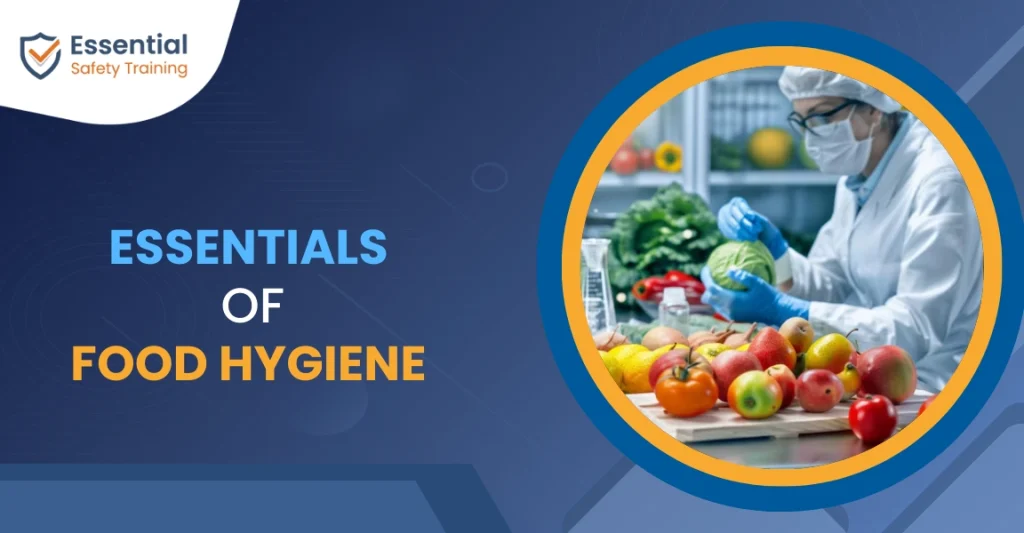
Proper hygiene is crucial whether cooking at home or in the workplace, as it impacts our overall health and ensures our safety.
In this article, we will be exploring detailed talk about essentials of food hygiene. We will also discuss the importance of food hygiene. The four Cs of food hygiene & proper handwashing techniques will also be discussed. We will also discuss storage practices and staff training as well.
The Importance of Food Hygiene
Food hygiene is vital. Maintaining food hygiene helps to prevent all sorts of foodborne illnesses. It helps to prevent the spread of dangerous germs. In business, keeping high hygiene helps build confidence among customers. Eventually, food hygiene:
- Ensures food is safe and fresh
- Protects children and elderly people
- It allows businesses to comply with food laws
Explore our Food Hygiene courses to boost your knowledge.
Essentials of food hygiene
Essentials of food hygiene include some basics of food preparation rules like:
- Washing hands before handling food
- Storing food at the right temperature
- Using separate utilities for raw and cooked food
- Cooking food at the right temperature
- Cleaning cooking equipment regularly
- Using gloves to prevent food contamination
- Wearing clean clothing
- Avoiding working when sick

The 4Cs of Food Safety
The 4cs of food safety includes:
- Cleaning
- Cooking
- Chilling
- Cross-contamination
Here is a detailed overview:
| Cleaning | Cleaning is essential for maintaining food safety. It helps prevent bacteria from spreading and makes food safe to eat. |
| Cooking | Cooking at the proper temperature is also vital. The adequate temperature removes dangerous microorganisms. Properly prepared food promotes overall health and reduces illness. |
| Chilling | Chilling refers to storing food at the appropriate temperature. Store frozen food items at -18°C (0°F), and refrigerate perishables quickly. Proper chilling helps to keep food safe and prevent the growth of dangerous microorganisms. |
| Cross-Contamination | Cross-contamination happens when hazardous bacteria pass to cooked foods. Using separate utensils and cutting boards helps avoid cross-contamination. This method ensures that microorganisms from raw foods do not harm other things. |
Proper Handwashing Techniques
Proper handwashing techniques are essential for ensuring safety. It prevents the spread of germs before handling food. Here a step-by-step guide:
- Firstly, wet your hands with clean water
- Apply soap to your hands
- Rub your hands together for 10-20 sec
- Wash your hands with clean water
- Dry your properly

Following these steps can help to reduce the risk of foodborne illness.
PN: If you are in a public place, try to turn off the tap with a paper towel.
Maintaining Clean Work Surfaces
Maintaining clean areas for work is critical to food safety awareness. You can keep clean work surfaces by cleaning both before and after handling raw foods with hot, soapy water. Using different cutting boards for raw and cooked food, cleaning with cleaner, and drying them with fresh towels also works. You can keep countertops clear to reduce food contamination.
Sanitising Utensils and Dishcloths
Sanitising utensils and dishcloths are essential for preventing bacteria from spreading. You can sanitise utensils and dishcloths by:
- Washing utensils with hot water
- Sanitising them by soaking them in a solution of water or
- Using dishwasher with sanitising
It is also recommended that dishcloths must be washed frequently. You can put them in hot water or a washing machine and let them dry. To prevent bacteria, change dishcloths regularly. Following these instructions keeps your kitchen hygienic and safe.
Safe Cooking Temperatures
Safe cooking temperatures are critical for killing bacteria. To avoid food diseases, you can use a thermometer to verify these temperatures. To ensure food safety, the FDA recommends cooking:
- Ground meats at 71°C
- Chicken at 74°C
- Steaks and roasts at 63°C
- Fish at 63°C
- Eggs should be cooked until complex and
- Leftovers should be microwaved at 74°C
Also keep in mind that, the food safety temperature danger zone is 8°C-63°C. In this temperature the bacteria can easily affect the food. The bacteria affected food can cause illness. That’s why cooking food in high temperature is important because it kills the bacteria.
Here are guidelines for cooking meats and seafood at the right temperature:
| Cooking Guidelines for Meats | Cooking Guidelines for Seafood |
| The chicken should be cooked to 74°C. Grind beef to 71°C. Steaks and chops at 63°C. | Fish should be cooked to an internal temperature of 63°C. Shrimp and crabs are until they are opaque. Clams and mussels are until their shells open. |
Safe Food Storage Practices
Safe food storage practices are critical for ensuring the quality of food. This includes:
Guidelines for Chilling Food
- Refrigerating fresh food
- Separate raw meats and seafood from other foods
- Use sealed boxes or wrap food tightly to keep it safe
- Labeling foods with dates to keep track of freshness
- Cleaning refrigerator regularly
- Confirming the proper temperature with a thermometer
Cross-Contamination Prevention
To avoid cross-contamination, separate raw and cooked foods and use different utensils. Always wash your hands after handling raw foods, and use hot, soapy water to clean utensils.
Wash fruits and vegetables under warm water before eating or cooking. Furthermore, wash plates and utensils right after they have touched food. These procedures help keep dangerous bacteria at bay while ensuring food safety.
Personal Hygiene in Food Handling
Maintaining personal hygiene during food handling is essential. To maintain proper hygiene, you need to wash your hands thoroughly with soap and water.
You must wear clean clothes and apron to keep food safe from infection. Avoid touching your face, hair, or other body parts while working with food. As food handlers, you need to stay away from food when you’re ill to prevent the transmission of infection.
Keep your nails clipped, and avoid wearing jewellery that could hold bacteria. These procedures contribute to lowering the incidence of food allergies.
Staff Training and Food Safety Practices
Staff training is essential for any business, especially in the food business operators. Staff training should cover topics like:
- Cleaning procedures
- Temperature control
- Basics of food safety awareness
- Safe food handling
Resources for Food Hygiene Best Practices
Some resources for food hygiene training are:
| World Health Organization | Food and Drug Administration | U.S Department of Agriculture |
| WHO provides food safety recommendations that help to prevent diseases caused by food. These include: Keeping food cleanSeparating raw and prepared meals Cooking correctly Storing at proper temperatures and Using suitable water and supplies. | FDA provides regulations and recommendations to ensure food safety matters in the United States. This includes: Establishing rules for proper food handling Labelling and Cleanliness practices for food handlers. | FDA provides regulations and recommendations to ensure food safety matters in the United States. This includes: Establishing rules for proper food handling Labelling and Cleanliness practices for food handlers. |
Frequently Asked Questions
What are the top 5 food safety and hygiene practices?
5 essential food safety and hygiene practices are:
✔ Clean
✔ Separate
✔ Cook
✔ Chill foods
✔ Check
What are the basic principles of food hygiene?
The basic types of food hygiene standards include:
✔ Handwashing
✔ Cleaning
✔ Cooking
✔ Storage
✔ Separation
✔ Inspection
What are the 10 kitchen hygiene rules?
✔ The first rule is to wash your hands before handling food
✔ Regularly cleaning equipment
✔ Using separate equipment to avoid cross-contamination
✔ Cooking food in a safe tremlpreture
✔ Storing food properly
✔ Keeping food covered
✔ Regularly removing trash and food waste
✔ Maintaining proper hygiene
✔ Checking expiry dates
✔ Maintaining personal hygiene
Conclusion
To summarise, food cleanliness is critical for avoiding food-related infections. Maintaining the cleanliness of surfaces and utensils, preparing food at the correct temperatures, and washing hands properly are important practices as well.
It is also vital to avoid cross-contamination and maintain proper personal hygiene. Regular staff training and using trustworthy food contact materials for guidelines help maintain high hygiene regulations and safeguard the public’s overall health.
Essential Safety Training

At Essential Safety Training, we deliver a blend of online courses on safety and compliance. As a top-notch award-winning platform in the UK, we value learners and keep our commitment by creating more accessible, expertly crafted courses.