 Food Hygiene

 Free CPD Certificate on Completion

 Fire Safety
No products in the basket.


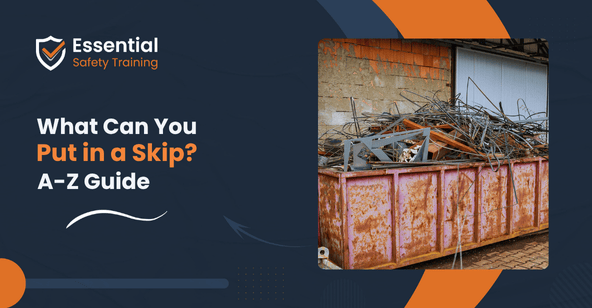
Maintaining proper waste management is a significant part of every workplace. When it comes to managing occupational health and safety, the use of skips for containing waste plays an important role. For example, you can put construction dust in a skip to minimise on-site health hazards.
According to the Health and Safety Executive 2014, “Construction dust can seriously damage your health and some types can even kill” This leads us to an essential question about what can you put in a skip. It is also crucial to understand the safety measures you need to consider before using skips in your workplace.
In our informational guide, we will demonstrate the safety rules, what to put in, and how to use a skip to maintain a proper waste management system at work.
What Is a Skip?
A skip is a large, open-topped steel container rented from waste management firms to temporarily store and transport waste from home cleanups, remodelling projects, buildings, and construction sites.

What Is Skip in Health and Safety?
In health and safety, a skip/skip bin refers to a waste container for workplace waste, requiring particular safety measures like proper covering and placement on-site to prevent dust, projectiles, and other hazardous materials.
Every workplace across the UK offers skip hire and has strict health and safety rules at work. Skip hire is a service where you can borrow big, open-top containers to gather and get rid of different kinds of waste from construction, home remodelling, renovation, and garden cleanups.
What Is Skip in Construction?
A skip in construction is an effective tool for waste management on construction sites that provides a practical, cost-effective, and eco-friendly solution. Skips in construction work are essential for maintaining cleanliness, order, and safety on sites, encouraging recycling and effective trash disposal. These are particularly made to be lifted and transported by specialised trucks.
Proper utilisation of skips can ensure a good waste management system in construction sites. When workplaces don’t use skips in an adequate way, the waste poses potential harm and hazards to individuals working there. It is vital to learn about the safety measures before using a skip.
Why Do We Need Skip in Health and Safety?
The first and foremost need for skip in health and safety is to secure a safe work environment. It is important to make sure we have the proper safety measures before using skips at work.
Skips are containers that are placed by the waste management system to maintain proper health and safety guidelines. It is crucial to make the best use of them in workplaces, particularly on construction sites.
Let’s find out the needs for using skips in health and safety to ensure a safe work environment!
- Proper use of a safe skip can prevent work-related hazards, accidents, injuries, or risks. It can prevent not only major accidents but also small or potential workplace incidents
- The cover of a skip can prevent dust, especially construction dust, from blowing out. It also prevents individuals from exposure to hazardous materials. Some hazardous materials should not be put in a skip, such as asbestos, radioactive materials, etc.
- The use of skip protects outside of the workplace as well. Protecting pedestrians and vehicles from striking materials or large waste is another reason why every workplace should continue to use a skip
- In the waste management system, using a skip is of utmost importance. It ensures occupational health and safety and makes the work conditions safer
- Proper skip safety includes the secure placement of waste and hazardous materials, vehicle checks, and appropriate covers to prevent health and environmental damage
- Safe use of a skip in health and safety works as a proactive hazard identification as well.
When it comes to our health and safety at workplaces, it is necessary to adhere to the health and safety guidelines put together by the HSE. Millions of people suffer every year from workplace hazards. Maintaining a skip in ensuring proper waste management saves individuals from many health and workplace hazards.

What Can You Put in a Skip? A Comprehensive Guide
Understanding the importance of health and safety at work has a positive impact when following health and safety rules. Using a skip at work is an important example of maintaining proper health and safety guidelines.
The use of skips to have an adequate waste management system is an integral part of workplaces, particularly, for workplaces like construction sites or those that use hazardous substances like asbestos, radioactive materials, etc.
Here, we will learn about the materials and items you can put in a skip without causing any hazard or risk.
- General waste: Construction waste, building debris, household and garden waste, furniture, wood, weee, mattresses, etc., you can put in a skip
- Inert materials/items: Concrete, metal, glass, aggregates, ceramics, steel, tiles, tyres, bricks, rubble and so on can also be put in a skip
- Recyclable materials: spoil and soil waste, paper, fabric, etc
- Non-recyclable materials: Medical waste, plasterboard, plastics
What Should You Not Put in a Skip?
Along with knowing what materials and items are suitable to put in a skip, you also need to learn about the materials and items not suitable to put in a skip, such as
- Asbestos and other hazardous materials that are used frequently
- Batteries, fluorescent tubes, gas canisters, and cooling equipment like air conditioning units, etc.
- Electrical appliances and computer items are prohibited from being put in a skip. They can cause harm and workplace hazards
- Liquids such as oil, petrol, paint, fabric softener, etc., are forbidden to be put in a skip
- Hazardous materials like chemicals, paints, solvents, pesticides, or sharps.
- Flammable and explosive items, including gas cylinders, fireworks, fuels, aerosols, etc., are strictly forbidden.

Occupational health and safety have become a major concern not only across the UK but also everywhere. Maintaining proper health and safety regulations to have a safe work environment is a must now. It can prevent workplace hazards and save individuals from any potential harm.
What Safety Measures Do We Need to Manage Skip?
There are some safety measures you need to consider before using a skip. Without the safety measures, using a skip can cause hazards. In our guide, we will talk about the safety measures essential to take before using a skip.
- Safety Measures for Skip Delivery
There are some factors you need to check before your skip delivery, such as
- Don’t place your skip under trees or bushes to reduce any other hazards, particularly fire risks
- Make sure your chosen skip area is clear of any large or heavy obstacles
- If you want to put your skip on a public road, you will need a skip license for that
- Skip delivery also requires safety equipment, such as skip safety lights
- For delicate waste or waste that keeps blowing out in the air, use an enclosed skip to protect the contents of the skip. You should not put hazardous materials or items, such as asbestos or any other dangerous chemicals, in a skip.
- Safety Measures for Skip Placement
There are some things you need to ensure for safe skip placement, such as
- Placement of skips on public streets or roads requires approval from the relevant authority. It has to be marked with reflective sheeting and display a company name and contact number for emergency situations.
- Careful consideration needs to be taken when using a skip for better traffic and pedestrian management. If a skip creates obstacles for pedestrians, the staff needs to take safety measures, like wearing vests and using traffic control devices to guide pedestrians
- Skips should be placed on grounds that are sturdy and have good access for collection and operation.
- According to the Land Transport Authority (LTA), the cover and door of the skip should always be closed when not in use, and should not face oncoming traffic
- You should not overfill your skip to prevent materials or items from falling out. It can cause injury or property damage.
- Load skips securely to minimise the risk of falls. Hire companies that have requirements for skip security, such as locking mechanisms for drop-down doors.
- Company and User Duties and Obligations
When using skips, both the company and the user need to follow the health and safety regulations accordingly. Some of the regulations they need to adhere to are
- Use PPE (Personal Protective Equipment), such as protective gear, hand gloves, safety boots, etc. It can prevent you from injuries like cuts from sharp objects or other harm from hazardous substances and unsafe items
- Both the company and the user need to ensure the waste is placed orderly in the skip. For example, it is better to place the heavier waste on the bottom. They also need to be careful about not mixing up hazardous materials in the skip. Hazardous substances like asbestos and other chemicals are also strictly forbidden from being kept in a skip
- By lifting safely, distributing weight, and avoiding overload, you can make the best use of your skip without causing any hazard or risk.
Taking safety measures before and while using skips can make your waste management more efficient. It is crucial for everyone to maintain the health and safety guidelines set by the HSE to make the best use of skips.
You can also take the Health and Safety in Construction Environment online training to learn essential skills for maintaining your workplace waste management system.
Health and Safety in Construction
Master construction safety, reduce risks, and meet the UK standards with our online training course.
Enrol Today
Frequently Asked Questions (FAQs)
How to secure a skip?
If you want to secure a skip, you need to have a cover on top of the skip. Skip covers can prevent waste from flying or blowing out and protect individuals from exposure to workplace hazards. It plays a vital role in workplace health and safety.
Can you mix what you put in a skip?
You can mix general waste, such as garden, household, and non-hazardous materials like wood, paper, etc. You can also put building debris or other lightweight construction waste in your mix. However, you cannot put hazardous substances or materials in a skip and mix them with other materials.
What is the main purpose of having designated skips on sites?
The main purpose of having designated skips on sites is to keep the sites organised and hazard-free. It will contain waste that is harmful and protect individuals working on the sites. Other than that, skips are the sole requirement for a proper waste management system.
Conclusion
In today’s world, occupational health and safety have become a global concern for everyone. To work in a healthy and safe work environment, it is pivotal to have a proper waste management system and preventive measures to mitigate workplace risks.
The proper use of skip and skip cover prevents many workplace hazards and risks. When it comes to using skips appropriately, learning about what can you put in a skip is important. Not knowing how to use skips properly can cause many workplace hazards.
Skips are an effective waste containment tool that helps workplaces keep the waste management system efficient. They are useful, eco-friendly and cost-effective that protecting workplaces and individuals from harmful materials and waste.
Essential Safety Training

At Essential Safety Training, we deliver a blend of online courses on safety and compliance. As a top-notch award-winning platform in the UK, we value learners and keep our commitment by creating more accessible, expertly crafted courses.