 Food Hygiene

 Free CPD Certificate on Completion

 Fire Safety
No products in the basket.


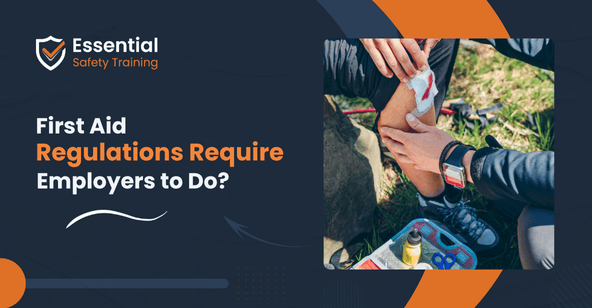
Picture yourself as an employer. One of your employees injured themselves. Do you know what to do? What do first aid regulations require employers to do?
Employers are required under first aid regulations to ensure suitable equipment, facilities and trained staff to aid employees injured or ill at work.
Workplace safety remains in the hands of employers. They should create safety measures that protect the employees from being injured. They should create a safer working environment for their employees.
In this writing, we will explore the depths of first aid regulations that an employer needs to follow. We also discuss how these regulations of an employer ensure safety in the workplace. We’ll also explore the guidance given by the Health and Safety Executive (HSE). And finally, we’ll discuss selecting the right number of first aiders.
Why does first aid matter in the workplace?

Proper first aid can save lives if accidents happen. Assurance of right first aid procedures makes sure that workers receive immediate care. They would receive immediate care even if it’s a cut, a fall or something serious like a heart attack. This can make a significant impact on the recovery time.
In such situations, employers need to ensure that their staff are prepared to deal with such situations. Employees receive confidence if there is first aid. They will receive peace of mind if there are proper first aid facilities. This peace of mind will ensure a more comfortable working environment.
What do first aid regulations require employers to do?
The Health and Safety (First-Aid) Regulations 1981 set out a legal basis of first aid rules for employers. It applies to all workplaces, regardless of size. Employers must ensure the following regulations in the workplace:
✅Assess first aid needs
Workplaces differ from one another. Keeping that in mind, employers need to find what type of first aid is needed. Employers also need to find what level of first aid provision the workplace requires. This assessment depends on the size of workplace and the risk present. This assessment also depends on the accident history of the workplace.
✅Provide adequate first aid equipment and facilities
As an employer, you must ensure the right set of first aid supplies. The first aid supplies include first aid kits, bandages, anti-septics etc. Assuring these supplies makes sure that employees get immediate care. Employers need to provide specific facilities in high-risk environments. One such specific facility is a dedicated first aid room.
✅Appoint trained first-aiders
As an employer, you may need to appoint one or more trained first aiders. This appointment depends on the risk assessment. The first aid persons need to complete a first-aid course approved by an accredited body. They also need to know how to provide first aid to anyone injured.
✅Inform employees about first-aid arrangements:
As an employer, you need to inform your employees about the first-aid arrangements. You should also inform the location of the first aid box. You should also tell your employees about the names of the first aiders.
Different categories of first aiders
HSE recognises two main types of first aiders. Depending on workplace requirements, employers need to appoint certain first aiders. The categories of first aiders are:
Emergency first aiders
These persons complete one day of the Emergency First Aid at Work (EFAW) course. These persons are trained to handle basic first aid. They mostly stabilise an injured person until further medical help arrives. Low risk workplaces requires this type of first aiders.
First aiders for high-risk environments
These persons should enrol in the more comprehensive three-day First Aid at Work (FAW) course. Employees who work in high-risk environments require this FAW course.
The FAW course covers a wider range of medical emergencies and advanced first-aid techniques. This coverage of the FAW course makes it ideal for workplaces like factories, construction sites or large public spaces.
How to conduct a first aid needs assessment?

Assessing the first aid need is not the same for all workplaces. This assessment depends on the specific risks related to the workplace. This assessment equips employers with adequate and appropriate first aid provisions in the workplace. The assessment also ensures what amount of first aiders you need in your workplace and what training they need.
Here’s how an employer should conduct first aid needs assessment:
Nature of the work
The nature of work varies in different workplaces. The different nature of work in different workplaces leads to varying risks, injuries or hazards.Construction sites, chemical plants and laboratories are typically associated with higher-risk exposure. Offices like consultant firms, banks etc have lesser amount of risks.
According to the nature of work, employers should consider their first aid needs. Employers should also consider the possible injuries. The possible injuries include falls, cuts, burns or exposure to harmful substances.
Workplace size
As an employer, you need to see the size of the workplace. Larger workplaces may require more first-aid resources. Smaller workplaces may require fewer first aid resources. You should ensure the first aid resources according to the size of the workplace.
For example, an office of 11 employees may only need one first aid kit. They may also need one first aider for emergency cases. On the other hand, a factory with 200 employees will need multiple first aid kits. They will also need several trained first aiders and a dedicated first aid room.
Location and distance from emergency services
Sometimes, your workplace may be located far away from emergency medical services. In that case, your workplace may need more comprehensive first-aid coverage. If you’re an employer in a remote area, then you must ensure additional emergency first aid supplies. You should also train more first aiders for your workplace.
Workplace hazards
As an employer, you should consider the workplace hazards in your workplace. You should also examine the specific risks in your workplace. For example, an office might have a low risk of injury. While a chemical plant could face high risks such as burns or toxic exposure.
You should try to handle all these hazards carefully. You should tailor first aid provisions to these specific risks.
Leave of first aiders
As an employer, you should check whether your appointed first aiders are on leave or not. You should keep an alternative person for first aid if the dedicated first aider remains absent.
The alternative person should know the basics of first aid and know how to deal with emergency cases. They should provide basic treatment until professional medical help arrives. They should also know the proper procedures for using first aid equipment.
How many first-aiders should you have?
First aiders must adequately cover the workplace in case of emergencies. To do so, the workplace needs the right amount of first aiders.
Large workplaces may require a higher number of first-aiders. On the otherhand, smaller workplaces require less number of first-aiders.Workplace risks also influence the number of first-aiders.
According to HSE guidance for first aid regulation, the right amount of first aiders in the workplaces is given below:
Low-risk workplaces
- Less than 25 employees: at least one appointed person.
- 25-50 employees: at least one emergency first aider.
- More than 50 employees: at least one first aider trained in FAW (First Aid at Work) for every 25 people.
Higher risk workplaces
- Less than 5 employees: at least one appointed person.
- 5-50 employees: at least one first aider trained in FAW (First Aid at Work).
- More than 50 employees: at least one first-aider trained in FAW for every 25 people.
The HSE’s first aid guidance for employers
The Health and Safety Executive (HSE) gives guidance to employers for first aid responsibilities. They outline the practical first-aid steps for employers to follow. They also ensure that all the bases of first aid are fulfilled in workplaces or not.
The guidance helps employers in the following ways:
Conduct a first aid needs assessment
Some factors to consider while doing this assessment are advised by the HSE. Factors for this assessment are nature of the work, size of the workplace, workplace location and distance from emergency services, workplace hazards and leave of first aiders.
Considerations will also differ drastically in the high-risk workplace than the low risk office environment. The tailoring of the first aid approach for unique work environments is important. This protects the employees’ safety and well being.
Select the right number of first aiders
The HSE suggests there should be the right number of first aiders for the number of employees in the workplace. For low risk places, 1 first aider should be provided every 50 employees. Employers should look at the amount of shifts and find out how to make sure that they have always enough coverage.
Provide adequate first-aid training
Employers must ensure their first aiders undergo proper training. The first aiders must receive certification from an accredited training provider. HSE provides guidelines on the necessary competencies a first aider should have. It includes CPR, wound treatment and handling various medical emergencies.
Ensure accessibility to first aid supplies
First aid equipment must be kept in an accessible location, and HSE strictly suggests it. Multiple kits may be needed in different areas of a large workplace. This ensures quick access to first aid emergency services.
Frequently Asked Questions
What are the 4 C’s of first aid?
The 4 C’s of first aid are:
– Check
– Call
– Care
– Complete
What are the 3 P’s in first aid?
The 3 P’s in the first aid are:
– Preserve
– Prevent
– Promote
What are the three aims of first aid?
The first aim of first aid is to preserve life, the second aim is to prevent further injury, and the third aim is to promote recovery. These three aims are the main goal of first aid.
Conclusion
The first aid regulations are not just about checking a legal box, they’re about keeping out people of saving lives, making work places safer. It’s the employer’s responsibility to make sure they have the right provisions in place, which might mean carrying out a needs assessment, training first aider, keeping first aid supplies up to date or all (or if any) of the above.
Adhering to regulations helps protect the employers’ workers and builds a safety and prepared culture. When employees feel confident that their workplace is prepared for emergencies, they can entrust themselves to work without spending time thinking of what might happen to ruin something.
If you are an employer, well, take time to review your first aid arrangements today. You just never know how they’re going to make a difference.
Essential Safety Training

At Essential Safety Training, we deliver a blend of online courses on safety and compliance. As a top-notch award-winning platform in the UK, we value learners and keep our commitment by creating more accessible, expertly crafted courses.