 Food Hygiene

 Free CPD Certificate on Completion

 Fire Safety
No products in the basket.


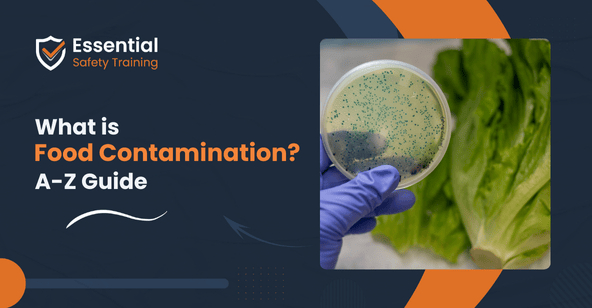
Food contamination is a major concern for everyone, significantly affecting all other industries. In the UK, there are an estimated 2.4 million cases of foodborne illnesses every year. These contaminations can lead to many foodborne illnesses and cause severe health hazards.
Now, it makes you think, what is food contamination? What types of contamination exist in the UK? What are the health risks of such contaminated foods? And lastly, how can you prevent these food hazards?
In our A-Z guide on food hygiene and safety, you will get a comprehensive understanding of contamination, its types, risks, consequences, and effective preventive methods to ensure your food hygiene and safety. Discover more.
What Is Food Contamination?
Food contamination is a condition where your food comes in contact with substances, chemicals, or microorganisms that are harmful to your health. Any material that is harmful to your health will make your food no longer good for consumption. It will result in foodborne diseases and many other food hazards.
Contaminated foods have the potential to cause severe damage to your organs, which will worsen your physical health. Your mental health also suffers due to this. Food poisoning can affect your physical, mental, and overall well-being; thus, we have to follow the UK food hygiene and safety regulations to keep ourselves healthy.
What Is a Food Contaminant?
A food contaminant is any harmful substance, chemical, or microorganism present in your food or produced during the preparation, handling, and storing of your food.
You would want to make sure that your food is not contaminated, and there are many ways to avoid this, which include personal hygiene, food labelling, storing food at the right temperature, and many more. You can find these effective preventive methods with the help of our safety guide.

How Many Types of Food Contamination Are There?
Food contamination has a major economic and environmental impact through loss of productivity, food insecurity, and health issues.
When you think about food contamination, biological threats come to your mind first. Besides biological contamination, one can also find physical, chemical, and allergenic contamination in your food. All of these may occur anytime in your food supply chain and may pose severe risks to your health.
The Four Types of Food Contamination
There are four types of food contamination, where each type of contamination has different kinds of contaminants. These contaminants make your food unhealthy and unsafe.
Let’s explore more about the four main types of food contamination!
- Biological/Microbial Contamination
Biological contamination occurs because of the existence of harmful bacteria, viruses, pathogens, mould, fungi, toxins, or parasites in your food. This becomes the main cause of foodborne diseases in the UK. It is also referred to as microbial contamination, which leads to food poisoning outbreaks and severe health consequences.
Contamination by microbes may occur in many forms, including
- Examples of this include bacteria such as E. coli, Salmonella, Campylobacter, etc., which may be present in raw foods such as undercooked chicken or any other meat products, especially Salmonella. It inhabits the bowels of animals and is passed on to food items.
- Ready-to-eat foods and high-risk foods contain harmful bacteria that, when improperly prepared and stored, may cause cross-contamination.
- The microorganisms of other raw foods are also harmful, such as fish, shellfish, and other seafood. These microorganisms consume food-poisoning organisms and are harmful to us if consumed without proper cooking or food processing.
- Chemical Contamination
Chemical contamination occurs when food gets contaminated with harmful and dangerous chemical substances. Preservatives are one of the chemicals we use to prolong the shelf life of our food, but they have negative impacts on our health. Moreover, insecticides are often used for cleaning utensils, which can ultimately result in chemical contamination.
Preparing, handling, or storing food on a surface that has chemical residue can cause contamination as well. These chemicals must be sprayed when there isn’t any food near these pesticides. The UK health and safety regulations should limit the use of preservatives and require licenses for minimal use.

- Physical Contamination
Physical contamination refers to the event where your food gets contaminated by the presence of foreign objects. This can happen during any stage of food preparation, handling, or delivery. It can cause severe health risks, including choking while eating food, breaking teeth, or getting injured.
You can find physical contaminants, such as hair, pest bodies, bones, stones, plastic, pieces of harmful objects, etc., in your food. It also has short-term and long-term risks to your health.
- Allergenic Contamination
There are 14 major food allergens that you can find in your food. Food allergens cause many health risks, such as allergies, infections, respiratory diseases, etc. It has long-term health risks like chronic illnesses, including cancer, organ failures, etc., as well.
You can learn about these food allergens from Food Allergen Awareness Training, which will help you identify them. You can also learn about the effective preventive measures to reduce such food hazards caused by contaminants.
Food Allergen Awareness
Get certified in Food Allergen Awareness Training and ensure food safety compliance with our course.
Start Today
Food labelling is an adequate measure for you to avoid cross-contamination and prevent foodborne illnesses and food hazards.
What Are the Risks and Consequences of Contaminated Food?
Food poisoning and foodborne illnesses are included in the list of common risks which present themselves at the point of food consumption. Health impacts of food contamination are many and range from very serious to not at all.
Here, we will take a look at the risks and consequences of contaminated foods!
Short-term health risks and consequences
- It can cause food poisoning. You may face symptoms like nausea, vomiting, diarrhoea, stomach aches, fever, and gastroenteritis (inflammation in the stomach and intestines).
- Vomiting and diarrhoea are likely causes of dehydration. It has the most impact on children and vulnerable adults.
- Contaminated foods also transmit foodborne illnesses that are infectious, such as cholera, typhoid, hepatitis A, etc.
Long-term health risks and consequences
- The respiratory diseases may lead to serious harm to your organs; the long-term health risk of contaminated foods may lead to damage or failure of the kidneys.
- There are infections such as hemolytic uremic syndrome, which may cause kidney damage.
- Meningitis is a potentially fatal infection of the membranes, which may occur due to serious foodborne risks.
- Those who are exposed to chemical contaminants on a long-term basis may also develop chronic diseases such as cancer, weak immune systems, and nerve damage.
Economic, social, and other consequences
- The negative effects of contaminated foods are productivity loss, absenteeism, fatigue, and low energy as a result of food poisoning.
- It also worsens our mental health and social life, not only our physical health.
- The health care expenditures are escalated by the pressure on health care systems.
- Poor health and outbreaks of diseases can tarnish the reputation of food businesses, which eventually affects a country’s economy.
- This also creates food insecurity and makes it a global burden for everyone.
How to Prevent Food Contamination?
In case you intend to employ useful measures in your food business or any other food preparation, handling, or storage operations to avoid contamination, then our convenient guide will take you through the process of preventing food contamination while ensuring food safety.

Let’s have a look at the thorough process that will secure your food hygiene and safety!
- Maintaining personal hygiene
The first step in the prevention of food safety is for everyone involved in the food preparation, handling, or storing process to be very clean and hygienic. The practice of washing hands before engaging in any of the processes will be the greatest help initially, as it will get rid of germs or parasites that are unhealthy for you.
E. coli and Salmonella are examples of bacteria that are very frequent causes of food-borne diseases and numerous food hazards. Food hygiene will assist in killing this kind of bacteria on the surface.
Washing hands for 20 seconds before food preparation and washing hands thoroughly after touching raw food items such as raw meat, poultry, seafood, etc. will help avoid contamination.
- Separating raw and cooked foods
You should keep cooked foods separate from raw food materials at all times. Meat, eggs, poultry, seafood, and the like should be put in a different bag and at the bottom of the fridge to avoid cross-contamination.
Storing your raw foods in a bag or a container will help in avoiding the dripping of the juices onto other foods and hence limit cross-contamination. In the case of cooked foods, storage is an important food safety factor.
- Cooking food at the right temperature
One of the instructions to take into consideration in order to avoid cross-contamination of food is cooking the food at the right temperature. Different food items have varying temperature requirements. You must follow the temperature requirements sincerely.
Let’s take a glance at the appropriate temperatures for different categories of foods!
| Food Type (Categories) | Minimal Internal Temperature |
| Poultry (Chicken, Turkey, Duck, etc.) | 165°F (74°C) |
| Ground meat (Beef, Pork, Lamb, Veal) | 160°F (71°C) |
| Cuts of Meat (Steaks, Roasts, Chops of Beef, Pork, Lamb, Veal) | 145°F (63°C) with a 3-minute rest time |
| Seafood (Fish and Shellfish) | 145°F (63°C) |
| Eggs | 160°F (71°C) or until the yolk is firm |
| Leftovers, Casseroles, etc. | 165°F (74°C) |
- Storing and reheating food at the right temperature
The storage and reheating of food should be conducted at the correct temperatures, and it is one of the main aspects of food safety and hygiene. We observe that heating and reheating of food at certain temperatures within a certain time can kill some microorganisms, such as bacteria, viruses, parasites, etc.
This, in turn, will destroy the harmful microbes that may have found their way into the food during the process of contamination and that, in large numbers, can cause illness. The best temperature range for food storage is 0° to 5°C on average. When you reheat what you had put in the fridge, do check that the core temperature of the food is at least 165°F or 74°C.
- Having proper hygiene and cleaning maintenance
Another key contributing factor to food safety is the use of clean utensils in cooking, preparing, handling, and storing food. Proper cleaning and use of separate utensils for different types of food will help you avoid contamination.
Disinfection and sanitation of your utensils is also a practice that will help in the prevention of cross-contamination. Also, for example, instead of using the same board for raw and ready-to-eat foods, you may have separate cutting boards for raw food products and products like bread, fruits, and vegetables to prevent the crossover of pathogens.
As well as following health and hygiene guidelines, we also have online training courses which cover the topic of healthy and safe food.
With the help of Food Hygiene and Safety Starter courses, you can get comprehensive knowledge of food safety and learn the essential skills you need to run your food businesses or to make your food safe and delicious.
Food Hygiene and Safety
This food hygiene and safety training is the perfect way for you to gain essential knowledge on food safety.
Enrol Today
Frequently Asked Questions (FAQs)
What factors can cause food contamination?
Food contamination may occur due to numerous factors, including but not limited to poor hygiene, the intentional use of pests, preservatives, or other toxic substances, improper handling, waste disposal in combination with environmental pollution, etc.
Which food products have a high risk of contamination?
Contamination risk is very high for raw food products such as meat and poultry. In addition to these, other products with high risk of contamination include shellfish, meat products like stews, stock, sauces and soups; raw egg products like mayonnaise, dairy products, ready-made pies or pastries, etc.
What temperature kills bacteria in food?
Each food item has its own specific temperature requirement; the minimum temperature for killing bacteria in any food is 70°C, but that is only if the food is cooked for at least two minutes. For cooking or reheating your food for 30 seconds, the minimum temperature should be 75°C.
Conclusion
Who wouldn’t like to be healthy and happy, particularly in the case of food? Contaminated foods are a problem for both health and food businesses. The food hygiene and safety regulations are to be strictly observed by every food business in the UK in order to keep its customers healthy.
Learning about food contamination and asking important questions like, What is food contamination? What risks do they pose? What preventive measures are effective for each type of contamination? And many more will help you get one step closer to your food safety.
Having healthy and safe food is a top priority not only for your physical health but also for your overall well-being.
Essential Safety Training

At Essential Safety Training, we deliver a blend of online courses on safety and compliance. As a top-notch award-winning platform in the UK, we value learners and keep our commitment by creating more accessible, expertly crafted courses.