 Food Hygiene

 Free CPD Certificate on Completion

 Fire Safety
No products in the basket.


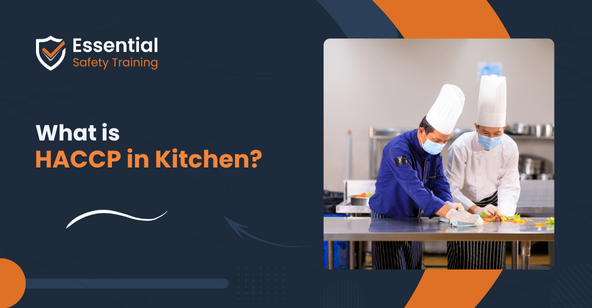
For those who used to work in a kitchen, the importance of hygiene and food safety is perhaps obvious. It goes beyond washing your hands or how you handle your foods and food products. Every kitchen must ensure that they prepare and serves food safely.
What is HACCP in Kitchen? Kitchens make sure that the foods they prepare or serve have no biological, physical or chemical risks and this is known as HACCP in the kitchen.
HACCP is very essential and it can be said that it is the foundation of managing food hygiene in every food establishment. This blog will explain everything you need to know about HACCP and how it works in a kitchen setting.
What is HACCP?
HACCP is a food safeguarding system which ensures food safety. Its main goal is to stop possible hazards before they occur in the food industry. Instead of reacting to problems after they’ve happened, HACCP solves them beforehand.
So, HACCP means the legal structure which looks after food safety and eliminates possible health hazards by stopping the spreading of harmful pathogens in food.
HACCP identifies possible hazards in the food production system. It also controls critical points where things could go wrong. This system focuses on providing safe food from farm to fork and safer food deliveries.
Why is HACCP Important in a Kitchen?

In a kitchen, food safety is not a choice but a legal requirement. In the restaurant, catering business or food service, there are always hygiene factors that must always be observed. HACCP makes sure that the food safety standards are achieved since it concentrates on significant safety zones.
Preventing Foodborne Illnesses
The main effort of HACCP is to prevent all foodborne illnesses. The risks that can be managed in the kitchen range from bacteria and viruses to chemical contamination. Thus, the likelihood of the customer getting sick is minimised. Customers enjoy safe food and a healthy life.
Ensuring Compliance with Food Laws
HACCP is not merely advisory; it has become mandatory in most countries. HACCP makes kitchens adhere to food safety laws, meaning risks of penalties or even shutdowns are minimised.
Protecting Reputation
A foodborne illness outbreak can be catastrophic to the image of a restaurant. Adherence to HACCP also ensures that the recognised kitchen clients and health departments are assured that the food being served is good for consumption.
Why Do Kitchens Need HACCP?

In a kitchen, you can see many factors that can compromise food safety. Accidents occur at every stage, from the preparation of raw materials to the final delivery of food to customers. Any kind of physical, chemical or biological hazards can enter food if there is no proper control.
Kitchens need HACCP because it provides you with a structured approach to managing food safety. HACCP ensures that each stage of food preparation is monitored and controlled instead of visual checks.
From large-scale food businesses to smaller food businesses, all food businesses should make ensure HACCP. It is a legal requirement for all food businesses to ensure it. By applying this rule in every kitchen, safety is ensured among the consumers. Implementing HACCP can prevent food-borne diseases and protect your business’s image.
Level 3 HACCP Training
Gain essential skills in HACCP training and ensure compliance in the food industry
Enrol Now
What is HACCP in Kitchen?
When kitchens ensure that there are no potential hazards in food and the food is safe for consumption, it is known as HACCP in the kitchen. HACCP, or Hazard Analysis and Critical Control Points, is a system aimed to identify and take food security pitfalls in a kitchen. It focuses on averting dangers at crucial points during food preparation, preferably than replying to cases after they befall.
HACCP is a system that helps kitchens ensure food safety by identifying and controlling possible dangers in every stage of the food business. Implementing HACCP can help reduce the risk of diseases related to food. It also makes sure that every food business follows the regulations.
In every kitchen, HACCP creates a safer working environment. It also ensures that consumers can enjoy the food without any concern about hygiene.
HACCP Principles in Kitchen
We all know HACCP has seven steps to identify and manage food safety. Here’s how each principle is applied in the kitchen:
Conduct a Hazard Analysis
The first step is to recognise possible hazards in the kitchen. Hazards that you will notice in the kitchen are biological, chemical and physical. Conduction hazard analysis includes looking at every stage of the food preparation process. It is done to identify where risks can occur.
Determine Critical Control Points (CCPs)
Once you’ve identified possible hazards and food safety risks, the next step is to figure out critical points. It is the stages in the food preparation process where you can prevent the hazard. In a kitchen, this could include cooking, cooling and storing food.
Establish Critical Limits
For each critical point, you need to set limits. Such limits define what’s safe and what isn’t. While cooking meat, a critical limit of cooking at 75° is a must. If the meat is cooked below such a temperature, then it is unsafe for consumption.
These critical limits are set within measurable standards and acceptable levels. In a kitchen, you can monitor these limits using thermometers and other tools. This will ensure foods are prepared safely.
Monitor Critical Control Points
Monitoring procedure is very important to make sure the kitchen stays within critical limits. You perform regular checks at each control point. If the critical limits aren’t met, you should immediately take corrective steps.
Establish Corrective Actions
Mistakes can happen at any time. A kitchen may not meet its critical limits sometimes. Corrective actions must be taken to fix the problem when this happens. Such actions could range from cooking the food longer to discarding foods that didn’t meet the safety standards.
Foods that didn’t meet the safety standards are either reprocessed or thrown away. The kitchen is protected by this step.
Verify That The System Works
The HACCP system’s functioning can be known by the verification process. Reviewing records, conducting internal audits, and third-party inspections are included in the verification procedure.
Regularly testing equipment like thermometers or reviewing temperature logs can be done by a kitchen to verify its HACCP. The entire system remains up to date if verification is done. Also, verification helps in keeping the system effective.
Establish Record-keeping and Documentation
The final principle of HACCP involves keeping detailed and accurate records. Records such as temperature logs, cleaning schedules and reports are maintained in a kitchen.
Keeping records can give you proof that you’re following food safety. This record comes in handy when inspections are done. It allows the kitchen to track any recurring issues and address them effectively.
How to Implement HACCP in a Kitchen?
Now that you know the seven principles of HACCP, your kitchen should apply them. Everyone needs to cooperate in the kitchen to apply HACCP. Let us see how it is done:
Train Your Staff
All personnel preparing food should know about HACCP. Training your staff properly can help them know how to identify hazards. It will also help monitor critical control points efficiently. Training would also help your staff take proper corrective actions.
Create a HACCP Plan
HACCP plan should be developed by every kitchen. It should outline each step in the food preparation process. The outline should also identify potential food safety hazards. It plans to have detailed critical control points and critical limits. Also, it should contain the monitoring and corrective action.
Conduct Regular Audits
After your HACCP plan, you’ll need to review it regularly. Reviewing it will ensure that it remains effective. Audits help you identify areas for improvement. It also makes sure that your staff follows the right procedures.
Use The Right Equipment
The right equipment will be needed by you for monitoring critical control points. This could include thermometers, timers and storage containers. Make sure that all your equipment is in good condition and works properly.
Faulty equipment can lead to misreadings and unsafe food practices.
Keep Detailed Records
Good record-keeping is key to proving that your kitchen follows HACCP guidelines. Make sure you document all checks, from temperature readings to cleaning schedules. These records will be essential during audits.
HACCP Food Safety
HACCP is essential in kitchens as it’s a proactive management of dangers that may occur in food production. It has seven principles, and it works from the point of raw materials all the way to the plate. It protects customers from physical hazards which can result from consuming unsafe food.
Food safety hazards include bacterial risks such as Salmonella or E.coli, chemical hazards from cleaning agents, and physical hazards like glass or metal in the food. The hazards are then prevented in food handling activities through HACCP.
HACCP makes food safety stronger by creating an approach to risk management. HACCP leads to safer food handling, controls hazards, reduces contamination risks, and meets legal standards, etc. Applying HACCP means actively protecting the health of consumers.
HACCP Certification

The formal recognition of a kitchen or food business following the guidelines of HACCP is known as HACCP Certification. Achieving this certification means that your kitchen follows seven principles of HACCP. This HACCP certification proves that your kitchen maintains high food safety standards.
To get certified, a kitchen must be evaluated by an authorised body. The authorised body checks if the kitchen has all the conditions required for certification.
HACCP certification is not a one-time process. It is an ongoing commitment. Regular audits make sure that the kitchen meets all HACCP regulatory standards. It also sees if the kitchen adjusts its food safety process when necessary.
Our website tailored a course named ‘HACCP Training‘ to mitigate the need for HACCP certification.
So, certification helps a kitchen maintain a safe environment and protect its customers.
Frequently Asked Questions
What are the 7 steps of HACCP?
The seven steps of HACCP are:
▪️Conduct a Hazard analysis
▪️Determine Critical Control Points
▪️Establish Critical Limits
▪️Monitoring Procedures
▪️Corrective Actions
▪️Verifications Procedures
▪️Record-Keeping and Documentation Procedures.
What is an Example of HACCP?
HACCP is a food safety system that helps identify and control possible hazards in food preparation. It focuses on precluding impurities to keep food safe for consumption.
Is HACCP a Legal Requirement?
Yes, HACCP is a legal requirement. All the food businesses in the UK are required to apply HACCP in all steps of food preparation.
Conclusion
In the current global situation, food safety receives a lot of attention. Humans need safe food, and without the safety of food, all life in the world would perish. HACCP stops food hazards from occurring. It also protects all people from foodborne diseases. HACCP isn’t just a procedure that needs to be implemented in any kitchen, but rather a dedication to providing good, hygienic meals every day.
So whether you’re a chef or restaurant owner, understanding and applying HACCP should be at the top of your list. Your customer’s health and your reputation depend on it.
Essential Safety Training

At Essential Safety Training, we deliver a blend of online courses on safety and compliance. As a top-notch award-winning platform in the UK, we value learners and keep our commitment by creating more accessible, expertly crafted courses.